

Table of Contents
An Energy Storage System is a technology designed to store electrical energy and release it when needed. By capturing excess energy from sources such as the grid, solar panels, or wind turbines, an ESS helps balance energy supply and demand. It plays a vital role in supporting renewable energy integration, compensating for fluctuations in solar and wind generation, and ensuring a more stable and reliable power supply. In addition, energy storage systems enable applications such as peak shaving, energy arbitrage, and grid stabilization, helping users optimize energy usage and reduce electricity costs.
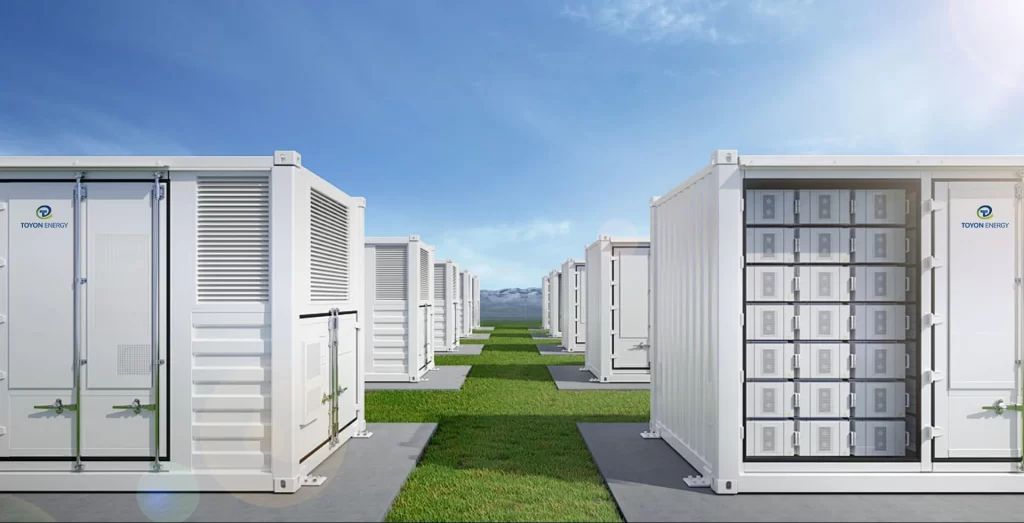
Energy Storage Systems for Commercial & Industrial Applications
Energy Storage Systems (ESS) help businesses reduce electricity costs, improve energy efficiency, and ensure reliable power supply. By storing energy and using it during peak demand periods, ESS solutions lower operating expenses and provide backup power during grid outages.
Energy Storage Systems for Residential Applications
Residential ESS solutions store excess solar energy for use when needed, helping homeowners reduce electricity bills and increase energy independence. They also provide reliable backup power during outages, ensuring continuous operation of essential household appliances.
Choosing the Right Energy Storage System for Your Needs
With a wide range of energy storage solutions available, selecting the right ESS is essential to maximizing performance and return on investment. Understanding factors such as energy consumption, storage capacity, battery type, and backup power requirements can help you identify the most suitable solution. The following guide outlines the key considerations for choosing an energy storage system that meets your specific energy goals.
1. Evaluate Your Energy Needs
The first step in choosing an Energy Storage System is understanding your energy consumption patterns. Review your electricity usage, identify peak demand periods, and determine whether your primary goal is backup power, energy cost reduction, or increased solar self-consumption. A clear understanding of your energy needs will help you select the most suitable ESS configuration.
2. Sizing: Capacity vs. Power
When evaluating an ESS, it is important to understand the difference between capacity and power. Capacity, measured in kilowatt-hours (kWh), indicates how much energy the system can store, while power, measured in kilowatts (kW), determines how much electricity can be delivered at one time. Selecting the right balance between capacity and power ensures the system can meet both your energy storage and load requirements.
3. Key Specifications to Compare
Comparing technical specifications can help identify the best solution for your application. Key factors include battery technology, round-trip efficiency, depth of discharge (DoD), charging and discharging rates, operating temperature range, and safety features. High-performance systems typically offer greater efficiency, longer cycle life, and enhanced reliability.
4. System Type and Compatibility
Different applications require different ESS configurations. Residential users may prefer systems optimized for solar self-consumption and backup power, while commercial and industrial users often focus on peak shaving and demand charge reduction. It is also important to ensure compatibility with existing solar panels, inverters, and energy management systems to achieve seamless integration.
5. Lifespan and Warranties
An energy storage system is a long-term investment, making lifespan and warranty coverage critical considerations. Lithium battery systems generally provide thousands of charge-discharge cycles and can operate for many years with proper maintenance. A comprehensive warranty from a reliable manufacturer can offer additional peace of mind and protect your investment over the system’s lifetime.
6. Budget and Return on Investment (ROI)
Cost is an important factor, but it should be evaluated alongside long-term value. Consider the total cost of ownership, including installation, maintenance, and operational savings. A well-designed ESS can reduce electricity bills, lower peak demand charges, and increase energy independence, helping users achieve an attractive return on investment over time.
Conclusion
Choosing the right Energy Storage System is an important step toward achieving greater energy independence, cost savings, and power reliability. Whether for residential, commercial, or industrial applications, a well-designed ESS can help you make the most of your energy resources while supporting a more sustainable future. At Toyon Energy, we are committed to providing reliable and innovative energy storage solutions tailored to diverse energy needs. Our team is ready to help you find the right ESS solution to maximize performance, efficiency, and long-term value for your project.
FAQs
Q1: Is an Energy Storage System safe?
A: Modern Energy Storage Systems are designed with multiple layers of protection, including Battery Management Systems (BMS), thermal management technology, and advanced safety controls. When installed and operated correctly, ESS solutions provide a safe, reliable, and efficient way to store and manage energy.
Q2: How much storage capacity do I need norally?
A: The ideal storage capacity depends on your energy consumption, backup power requirements, and application type. Homeowners typically require smaller systems for essential household loads, while commercial and industrial facilities often need larger capacities to support critical operations and peak demand management. An energy assessment can help determine the most suitable system size.
Q3: Can an Energy Storage System work without solar panels?
A: Yes. An Energy Storage System can store electricity from the utility grid or other energy sources, making it useful even without a solar installation. Users can charge the system during off-peak periods and use the stored energy when electricity prices are higher or during power outages.
Q4: How long does an Energy Storage System last?
A: The lifespan of an Energy Storage System depends on the battery technology, operating conditions, and usage patterns. Most modern lithium battery systems can last between 10 and 15 years and support thousands of charge-discharge cycles, providing reliable long-term energy storage for residential, commercial, and industrial applications.
Q5: Is an Energy Storage System worth the investment?
A: Of course, for many users an ESS can deliver significant long-term value. By reducing electricity costs, lowering peak demand charges, increasing solar self-consumption, and providing backup power during outages, an energy storage system can improve energy efficiency and generate a strong return on investment over its lifetime.