


Zero-carbon factories need a plan that connects energy use, production processes and credible emissions records. Rooftop PV can contribute to that plan, but the presence of solar panels does not establish the status of an entire factory. This article discusses the China-based policy context and the practical role of PV and storage within a broader transformation.
Table des matières
On January 19, 2026, the Guiding Opinions on Carrying Out Zero-Carbon Factory Construction—jointly issued by five government ministries—was officially released. This document marks the first time a systematic roadmap for the zero-carbon transformation of industrial enterprises has been planned at the national level.
The document clearly defines a "zero-carbon factory" as a facility that achieves a continuous reduction in on-site carbon dioxide emissions—approaching zero—through systematic technological innovation and management optimization.
It is no longer a distant ideal, but a tangible journey of continuously lowering carbon emissions—until they virtually reach zero—through innovations in technology and management.
Establishing New Standards for Zero-Carbon Factories
Le Guiding Opinions outline a comprehensive policy blueprint and practical roadmap for building zero-carbon factories in China, establishing a phased and systematic implementation plan.
For zero-carbon factories, the roadmap is clear: selecting benchmark examples in 2026; scaling up cultivation across seven key industries—including automotive, lithium batteries, and photovoltaics—in 2027; and tackling "hard-to-abate" sectors like steel and petrochemicals by 2030.
Its core logic can be summarized by four keywords: industry-specific strategies, innovation-driven approaches, maximum emission reduction, and unified standards.
The final point—"unified standards"—is particularly significant; it mandates the use of internationally recognized benchmarks for calculating and disclosing carbon emissions. Consistent accounting methods and traceable records help readers assess reported progress. The applicable framework and assessment criteria still need to be identified for the specific claim.
Six Planning Pathways for Zero-Carbon Factories
For zero-carbon factories, what are the practical pathways discussed in the policy?
01 Accounting Systems Form the Foundation
Establish a carbon dioxide emission accounting system to identify and quantify emissions and removals, providing accurate, timely, and traceable data to support zero-carbon factory construction.
02 Energy Transition Is Key
While ensuring a secure supply of energy and electricity, factories are encouraged to transition to zero-carbon sources for electricity, heat, hydrogen, and fuel. Strategies include developing distributed photovoltaics, decentralized wind power, and biomass power generation tailored to local conditions, as well as exploring direct connections to green power to increase the share of renewable energy usage.
03 Process Optimization is the Core
Focus on the systematic optimization of production processes, synergistically advancing energy efficiency improvements and the decarbonization of technological workflows. Continuously conduct energy-saving and carbon-reduction assessments, implement technical upgrades and equipment renewals, and establish robust management systems for energy conservation and carbon reduction.
04 Full-Chain Collaboration is the Extension
Actively implement zero-carbon supply chain management by sourcing green, low-carbon products and utilizing green logistics. Increase the proportion of clean transportation and drive upstream and downstream partners in the industrial chain to adopt energy-saving and carbon-reduction measures, fostering collaborative decarbonization.
05 Smart Control is the Enabler
Implement the Guidelines for the Construction of Digital Energy and Carbon Management Centers for Industrial Enterprises and Parks. Leverage technologies such as the Industrial Internet, the Internet of Things (IoT), and big data to build and operate digital energy and carbon management centers. This enables precise measurement, refined control, intelligent decision-making, and visual presentation of energy consumption and carbon emission data.
06 Information Disclosure Completes the Loop
Remaining emissions require appropriate accounting and any permitted treatment under the applicable framework. An energy-equipment installation does not by itself confirm zero-carbon status.
Zero-Carbon Factories: The Role of PV and Storage
In the blueprint for zero-carbon factories, photovoltaic technology holds multiple strategic values, serving as one of the most viable pathways for achieving energy transition.
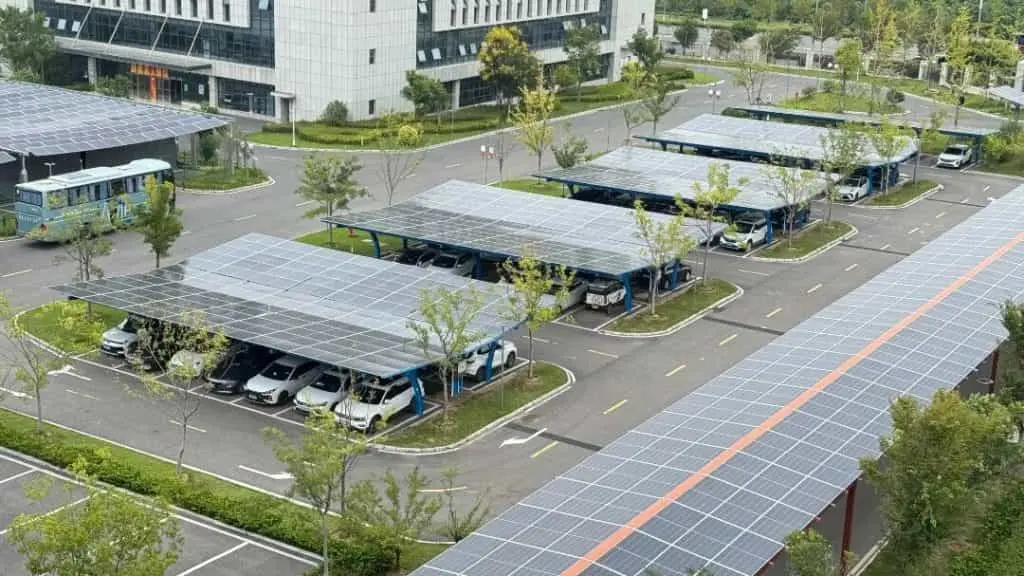
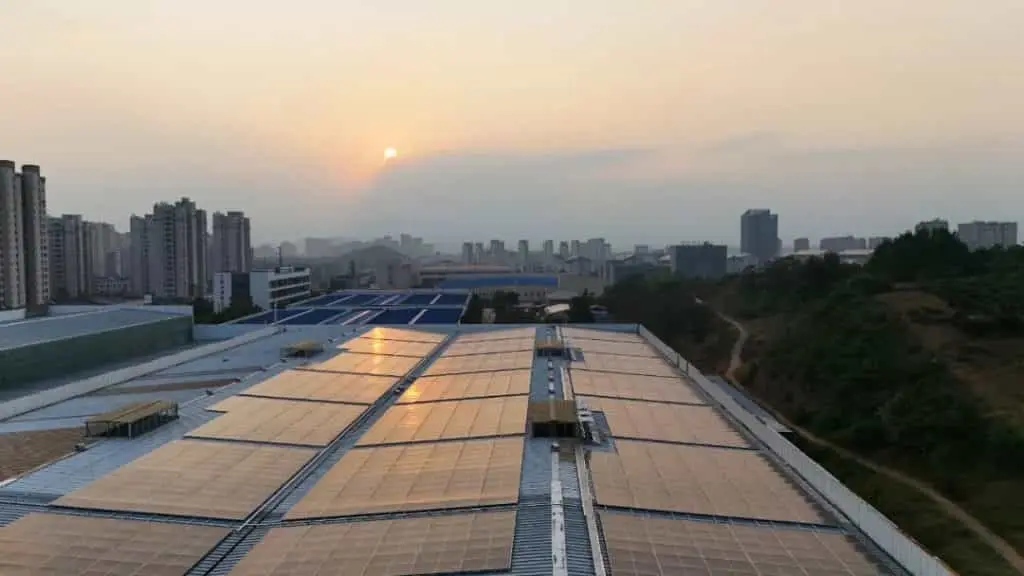
Distributed PV is prioritized as the preferred solution for "decarbonization at the source." Installing PV systems on factory rooftops, carports, and unused land has become a standardized, policy-encouraged decarbonization measure, directly aligning with the national mandate to build "factory energy systems centered on renewable energy."
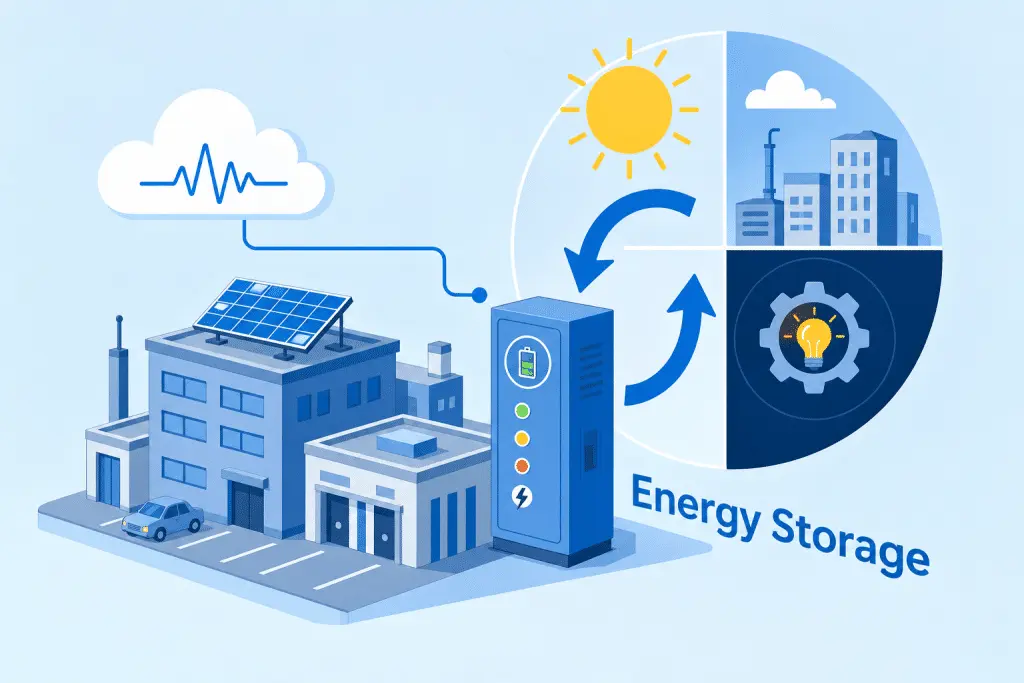
The "PV plus energy storage" microgrid model is crucial for enhancing energy autonomy. The Guiding Opinions explicitly encourage the construction of green industrial microgrids that integrate PV, energy storage, and high-efficiency heat pumps. This model not only significantly boosts the proportion of green electricity used by factories but also creates additional economic value by participating in demand response through energy time-shifting.
For the PV manufacturing industry, this policy carries dual significance. It implies that PV enterprises must not only use their products to facilitate the transformation of other industries but also take the lead in "revolutionizing themselves" by achieving zero-carbon production processes. This closed-loop approach—"using green to manufacture green"—may well serve as a vivid illustration of "new quality productive forces." Image
Zero-Carbon Factories: From Site Data to Project Scope
With new policies now in effect, what enterprises truly need is not merely a simple equipment supplier, but an energy solution partner capable of understanding policy intent, grasping industry pain points, and providing long-term support.
As an energy service provider deeply rooted in Anhui for years, Toyon Energy has established a comprehensive presence across the entire value chain—spanning investment, development, construction, and operations. Our business footprint covers residential green power, multi-energy complementary systems for industrial and commercial sectors, smart O&M, and even overseas markets, positioning us as a professional, comprehensive service provider amidst the wave of green energy transition.
We offer customized services for the design, construction, and operation of distributed photovoltaic power plants. We also plan and integrate green microgrid solutions featuring energy storage systems to maximize factory energy self-sufficiency and cost-efficiency, directly responding to the policy call for "carbon reduction at the source."
Ultimately, the era of the "zero-carbon factory" has arrived. It represents a new industrial race that is redefining the very meaning of "manufacturing."
Enterprises that take the lead in transforming rooftop sunlight into green competitiveness—and integrating carbon emission management into their production processes—will gain more than just an eco-friendly reputation; the outcome still needs to be demonstrated through the applicable project and emissions evidence.
This evolution has no finish line, and we are committed to being a steadfast partner throughout this journey.
Zero-Carbon Factories: Turning the Rooftop Opportunity into a Measurable Plan
The notes below provide general project context for readers. They do not add unreported milestones, performance results or commitments to the news above.
Begin with the accounting boundary
For zero-carbon factories, identify the activities and reporting period included in the assessment. Electricity is only one possible source of emissions; a facility may also use heat, fuels or processes with their own emissions. A clear boundary helps the team understand which part of the total a PV installation could affect and which other measures still need consideration.
Connect the electricity plan with production
A factory needs to compare generation with the timing of its demand. For zero-carbon factories, this helps distinguish PV electricity used directly, energy shifted through storage and electricity still purchased from the grid. Storage changes when electricity is available; it does not generate additional renewable energy by itself. The operating plan should retain that distinction when reporting results.
Use evidence that supports the claim
Zero-carbon factories need traceable records rather than a conclusion based on equipment photographs. Retain the accounting method, applicable factors, energy records and the explanation of changes over the reporting period. If production expands or the operating boundary changes, make that visible. A renewable-energy installation can be a useful measure while broader factory status remains dependent on the applicable assessment framework.
Foire aux questions
Can rooftop PV alone establish zero-carbon factories?
No. PV can contribute to electricity-related emission reduction, while the full assessment also depends on the factory boundary, other energy and process emissions, accounting and applicable criteria. The equipment installed is one part of the evidence, rather than a complete certification outcome.
Do zero-carbon factories always need battery storage?
Not necessarily. Storage should have a defined operating role, such as energy shifting or a designed resilience function. Assess the load and generation profile first. Installing a battery solely to attach a label to the site does not establish an appropriate technical or emissions outcome.
What is a useful first step for zero-carbon factories?
Establish a reliable energy and emissions baseline, then identify where operational changes and renewable electricity can contribute. Assign responsibility for the data and the follow-up assessment. That gives a rooftop PV or storage proposal a clear purpose within the larger factory plan.