


An industrial solar retrofit uses an existing factory or warehouse roof to generate electricity close to daytime loads. A viable project needs a suitable roof, structural and electrical assessment, and a generation profile that fits the facility's consumption and connection conditions.
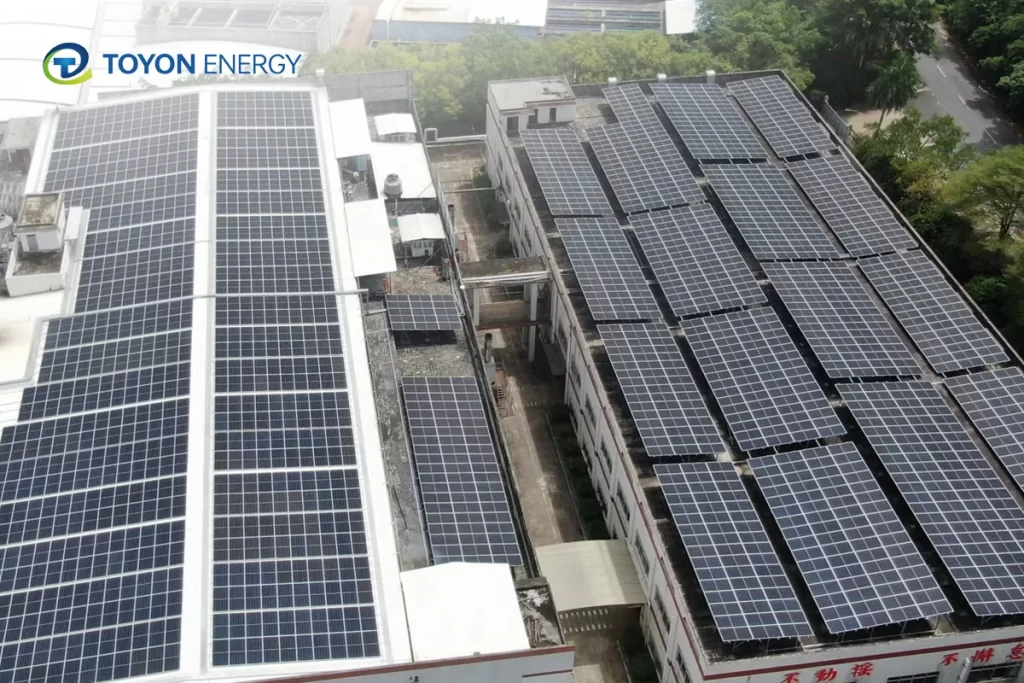
This project overview examines industrial rooftop PV and on-site self-consumption. Use the reported project result as a site example, then assess your own bills, operating schedule and roof conditions before assuming the same performance or savings.
For retrofit procurement, compare the dimensions and loading requirements of commercial rooftop solar modules with the existing roof and approved mounting design.
When Does an Industrial Solar Retrofit Make Sense?
Factories with consistent daytime production may be good candidates for on-site solar use.
By installing a high-efficiency solar system on an existing factory rooftop, businesses can generate clean electricity and use it directly for daily operations, including production equipment, lighting, HVAC systems, pumps, and other industrial loads.
The key benefits include:
- Reduce electricity costs
- Improve solar self-consumption
- Utilize unused rooftop space
- Increase energy efficiency
- Reduce dependence on grid electricity
- Support corporate sustainability goals
Project Highlight: Around 90% Solar Power Used On-Site
In one of Toyon Energy's industrial rooftop solar projects, approximately 90% of the solar power generated is consumed on-site.
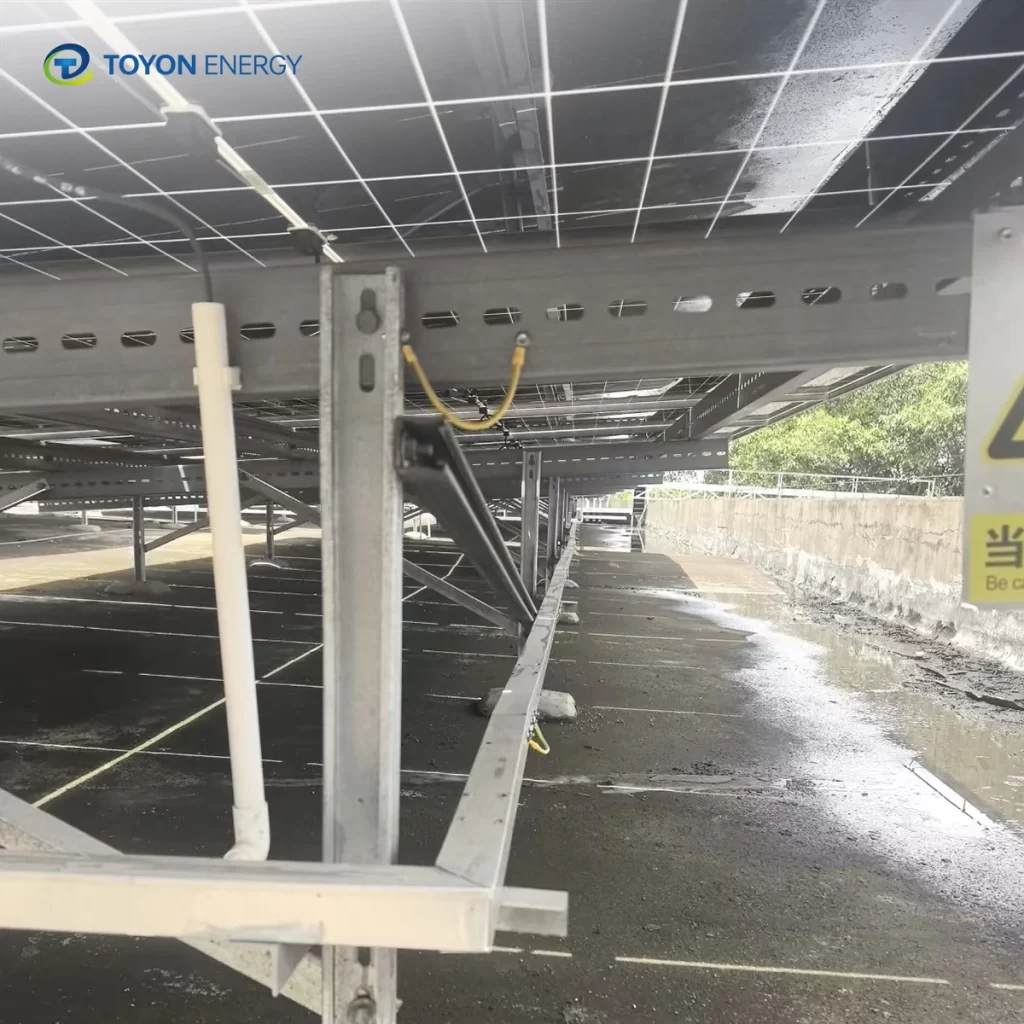
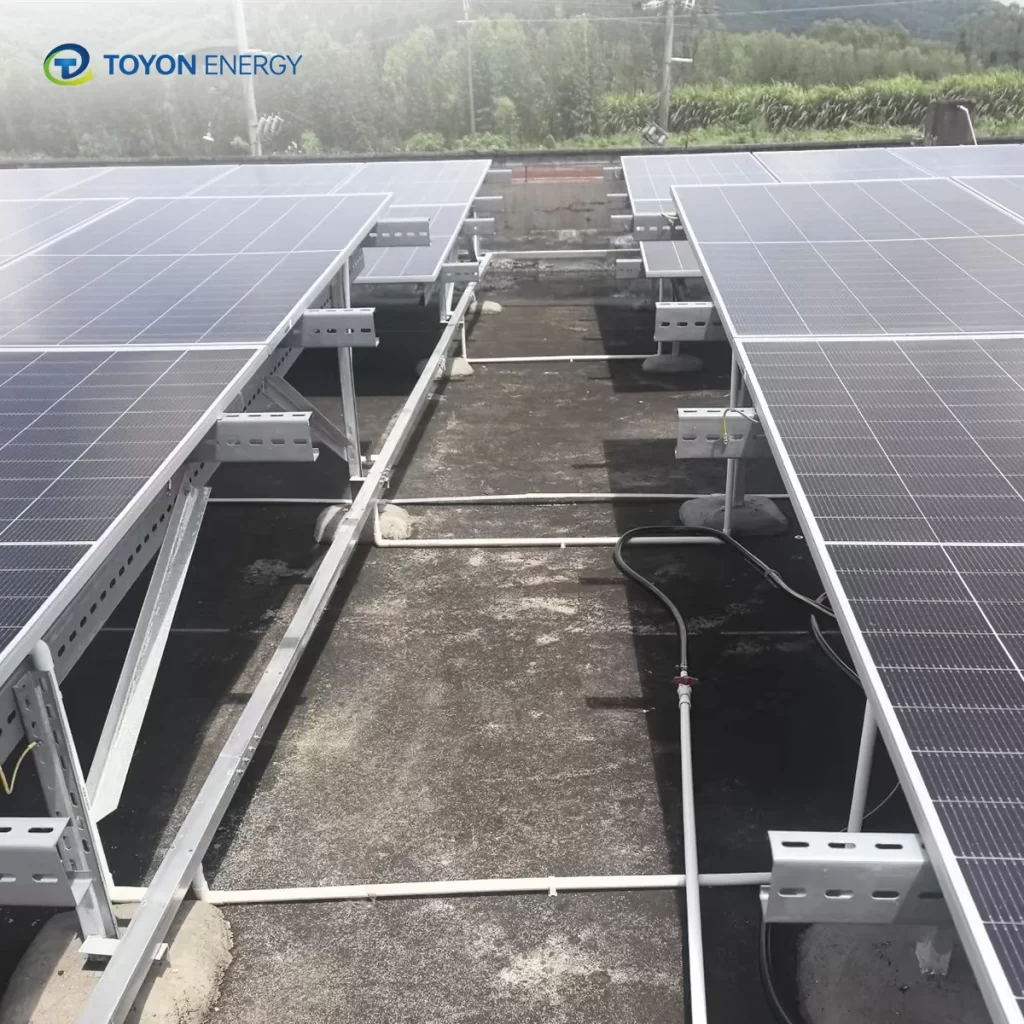
This high self-consumption rate allows the factory to directly use solar electricity for its production activities, reducing its reliance on conventional grid power.
For businesses with stable production loads, a customized industrial solar solution can provide more efficient solar utilization and potentially faster project returns.
Matching an Industrial Solar Retrofit to Factory Loads
Every industrial facility has different rooftop conditions, electricity consumption patterns, and operational requirements.
A retrofit design should reflect these site conditions rather than apply a standard panel count to every factory.
The design inputs include:
- Factory rooftop conditions
- Daily electricity consumption
- Available installation area
- Solar generation potential
- Self-consumption requirements
- Future energy demand
Depending on the project, businesses can also integrate commercial battery energy storage systems with rooftop solar to improve energy utilization and electricity management.
Build a More Efficient Industrial Energy System
Industrial solar is more than simply installing solar panels. A well-designed factory solar power system can become an important part of a company's long-term energy strategy.
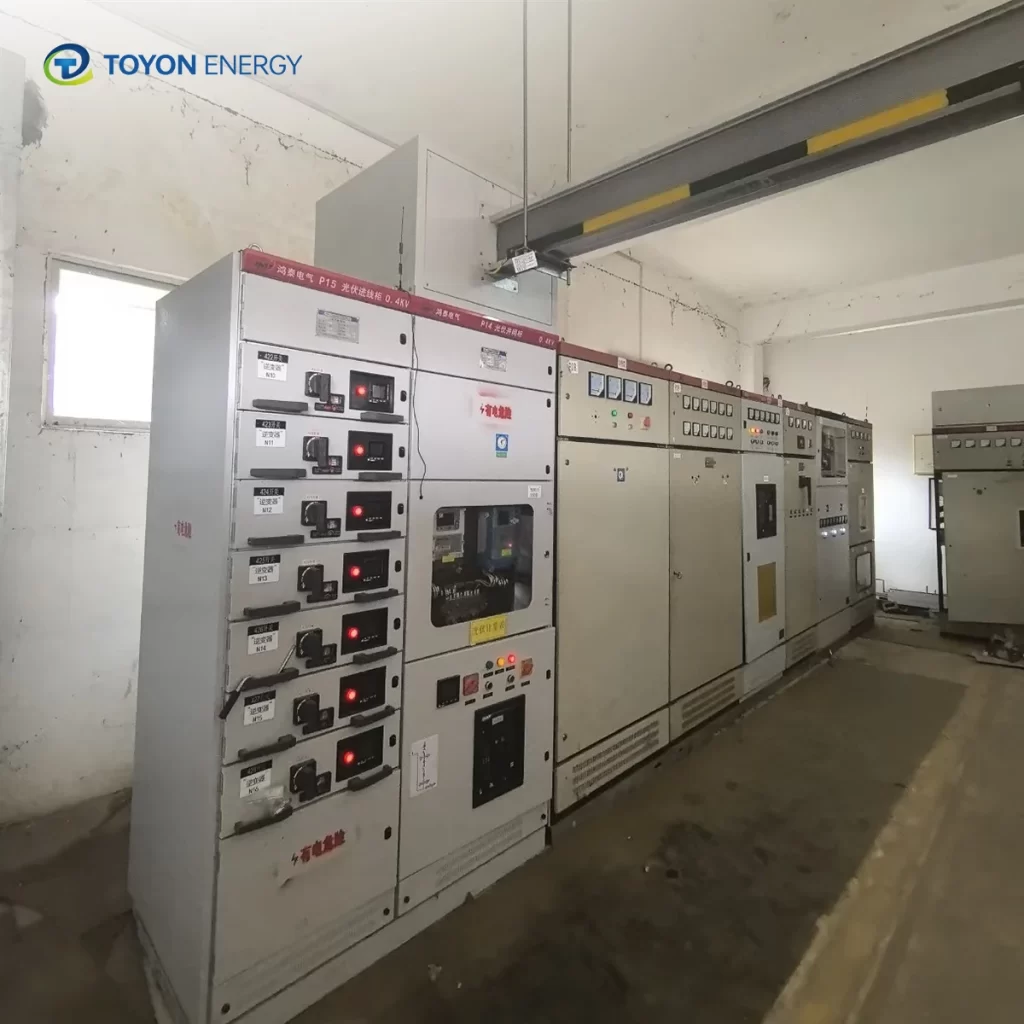
By combining high-quality solar panels, reliable solar inverters, intelligent monitoring, and optional energy storage, industrial businesses can build a more efficient and sustainable power solution.
Factory owners and EPC teams should agree on the equipment supply, structural and electrical assessments, installation scope and handover responsibilities before work begins.
Planning an Industrial Solar Retrofit
A useful retrofit proposal explains how the PV layout fits the existing roof, how much generation can be used on-site and whether the grid connection imposes any limits.
If battery storage is included, assess its operating role separately. It may be intended for energy shifting, demand management or selected backup loads; each requires a different operating plan.
What should you prepare before a retrofit assessment?
For a site-specific discussion with Toyon Energy, prepare the roof survey, electricity bills and interval load data.