


Solar panels can be working well while your business still buys a substantial amount of electricity. A factory may have surplus solar power around lunchtime, then need more electricity for an evening shift, just as generation is falling.
Commercial battery storage helps with that timing mismatch. It stores some of the solar energy your facility cannot use immediately, then releases it when demand rises or sunlight fades. The value comes from making solar generation fit the way your business operates.
Table des matières
What Does Commercial Battery Storage Add to Solar?
Without storage, solar electricity generally needs to be used as it is generated, exported where permitted, or curtailed. Adding commercial battery storage for solar projects gives the site another option: keep some of that energy for later.
The battery stores energy electrochemically. An inverter converts between the battery's direct current (DC) and the alternating current (AC) used by the building. Controls coordinate that process with solar production and site demand.
An all in one commercial energy storage system packages several components together, which can simplify the equipment layout. The project specification should still make clear which inverter, controls and protection equipment are included.
How Do Solar and Batteries Work Together During the Day?
Think of a warehouse that stays open after sunset. During the morning, rooftop solar helps run the building. Around midday, generation may exceed what the warehouse needs, allowing the battery to charge from the surplus.
As the afternoon progresses, solar output falls while lighting, refrigeration or loading equipment may still be operating. The battery can discharge to help cover that demand, so more of the day's solar electricity is used on site.
It does not have to wait until evening. If several loads operate together and create a demand peak, storage can help reduce the power drawn from the grid. Where the tariff includes demand charges, that may lower part of the bill.
These are operating strategies, rather than a fixed sequence every system follows. Charging limits, available battery capacity and the site's priorities determine what happens in practice.
Can You Add Storage Without Replacing Existing Solar?
Often, you can. If the rooftop system is already working well, keeping the existing PV inverter may be a sensible starting point.
With AC coupling, a separate bidirectional power conversion system (PCS) connects the battery to the building's AC network. It converts AC electricity to DC when charging, then converts battery DC back to AC during discharge. This can suit a retrofit, provided the existing electrical equipment and controls can be integrated.
For a new installation, solar and storage can also be designed around DC coupling, connecting on the DC side through compatible conversion equipment. This can reduce conversion stages along the solar-to-battery charging path.
A hybrid energy storage cabinet can form part of that coordinated design. What matters is the actual inverter arrangement and compatibility. If solar and batteries share an inverter output stage, their capacities cannot simply be added together to promise more AC power.
How Does the System Know When to Charge or Discharge?
The energy management system (EMS) coordinates operation using measurements such as solar output, building demand and battery state of charge. Depending on the platform, it may also use electricity tariffs or forecasts. Meanwhile, the battery management system (BMS) monitors battery conditions and operating limits.
The priorities should reflect what matters to your facility. A cold store may want to preserve energy for essential refrigeration. A workshop may place more emphasis on reducing daytime demand peaks.
When discussing this with a C&I battery storage manufacturer, explain when the business needs power and what must stay running during an outage. Reserving more energy for backup leaves less available for daily use. Where grid charging is allowed, filling the battery overnight can also leave less room for the next day's solar surplus.
Will Commercial Battery Storage Keep Your Business Running During a Power Cut?
This is worth settling early, especially if stopping a process means lost production or spoiled stock. A solar battery system can support selected loads during an outage, but backup capability needs to be designed into it.
The installation must safely separate the supported circuits from the utility and establish a stable local power supply. The PCS or hybrid inverter must support that operating mode. Keeping solar generation running during the outage also requires compatible PV equipment and coordinated controls.
Identify the equipment that genuinely needs backup, then consider its running power, starting requirements and tolerance for interruption. A system intended to reduce electricity bills should not automatically be treated as an uninterruptible power supply.
How Much Storage Does Your Facility Actually Need?
Start with the electricity your site uses and when it uses it. A short demand spike creates a different storage requirement from several hours of evening operation.
Two figures help explain the difference: kW describes power output, while kWh describes stored energy. For example, an outdoor battery energy storage cabinet listed with 125 kW rated output and 261 kWh battery energy has separate power and energy ratings. Actual runtime depends on the load, usable energy, reserve settings, losses and auxiliary consumption.
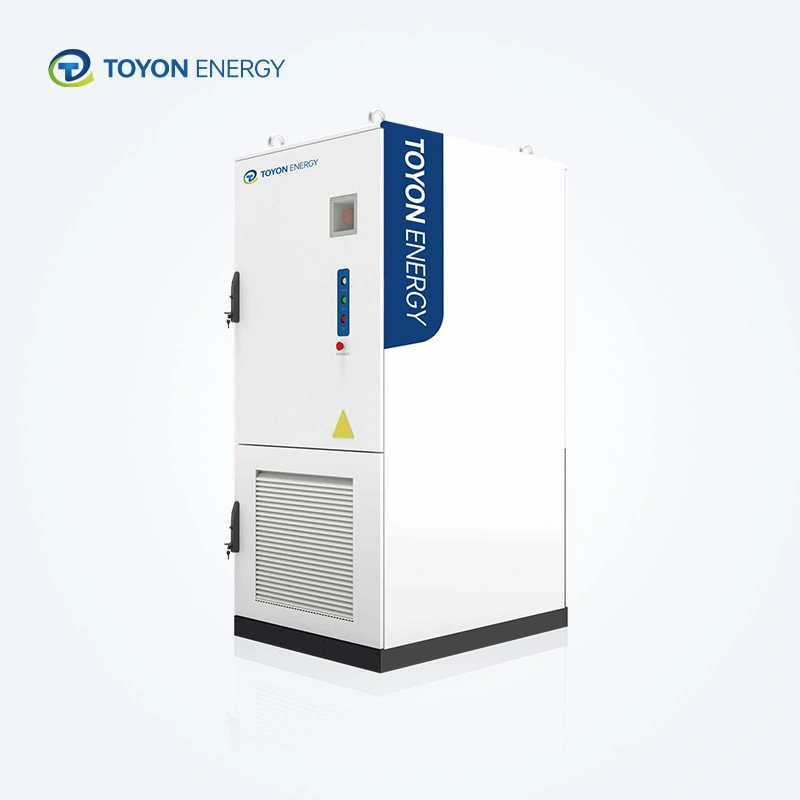
Placement matters too. Early discussions with a commercial battery storage cabinet supplier should cover service access, foundation loads, installation clearances and cable routes. Heat, drainage, corrosion exposure and local fire-safety requirements can all affect the layout.
For an EPC or facility team, the most useful starting point is interval consumption data, solar generation records and a clear list of operating priorities. Those inputs help turn a cabinet specification into a system that fits the site.
Foire aux questions
Can commercial battery storage supply power at night?
Yes, within its available energy and discharge-power limits. Whether it can cover the whole night depends on the load and how much energy remains available.
What happens when the battery is full?
Additional solar may be exported if permitted. Otherwise, the controls may need to reduce solar generation to stay within the site's operating limits.
Does a larger battery always save more money?
No. Extra capacity only helps if the site can charge and use it effectively. Savings depend on the load profile, tariff, export arrangements, losses and operating costs.
Can commercial battery storage be added to an existing solar system?
Often, yes. An AC-coupled design may allow the existing PV inverter to remain in service. The project still needs a review of the switchboard, metering, protection, communications and utility connection, particularly if backup operation is required.
Can the system charge from the grid as well as solar?
It may be able to, depending on the equipment, controls and local connection rules. Grid charging should follow the site's tariff and import limits, while leaving appropriate capacity for expected solar generation and any backup reserve.
How much of the business can the battery support during an outage?
That depends on the supported circuits, inverter output, available battery energy and equipment starting requirements. Some projects back up selected essential loads rather than the entire facility. The design should identify those loads and the required transfer time before equipment is ordered.
Will any battery cabinet work with our existing inverter?
No. The battery voltage range, approved communications, control functions and operating modes must match the intended design. A shared communications connector or a similar power rating does not, by itself, establish compatibility.
What information helps an EPC size a solar battery system?
Start with interval electricity-consumption data, solar generation records or a project-specific estimate, tariff details, existing electrical drawings and a list of essential loads. Include planned changes such as a longer production shift or additional charging equipment, so the design reflects how the site will operate.