


Toyon Energy has shipped 720W solar panels and 125kW inverters to Iran. The dispatch brings the modules and power-conversion equipment together in one reported supply update; it does not describe a commissioned installation.
Índice de contenidos
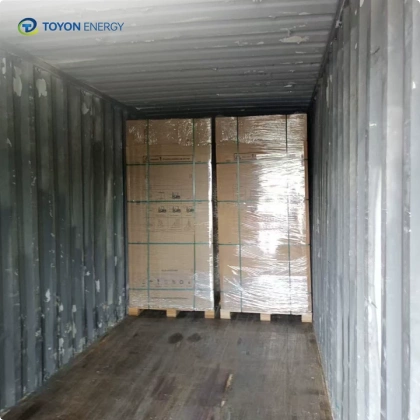
At the end of September, Toyon Energy delivered 17 pallets of Trina Solar 720W photovoltaic modules and 4 units of Watt 125kW solar inverters to an Iranian customer. The shipment update records the equipment supplied. Project capacity, site layout and commissioning results are not specified in this report.
720W Solar Panels and 125kW Inverters: What Was Shipped?
The shipment includes 720W solar panels and inverter equipment for photovoltaic applications. Module power and inverter power describe different parts of a system, so both ratings need to be read alongside the model-specific datasheets.
The main equipment includes:
- 17 pallets of Trina Solar 720W solar panels
- 4 units of Watt 125kW solar inverters
For an EPC team, the next question is practical: how will the 720W solar panels fit the installation design? A higher module power rating alone does not establish energy yield, conversion efficiency or the installed cost of the project.
Supporting Commercial and Utility Solar Development
For large PV projects, selecting compatible solar panels and inverters is critical to ensuring stable system operation.
This shipment provides key components for a complete photovoltaic system, including:
- PV modules that produce direct-current electricity
- 125kW solar inverters for efficient DC-to-AC conversion
- Equipment identification for the receiving and installation teams
A 125kW rating is a useful starting point for discussing inverter capacity. It does not replace checks of the exact inverter model, input limits, grid connection and operating conditions.
From Dispatch to Installation Planning
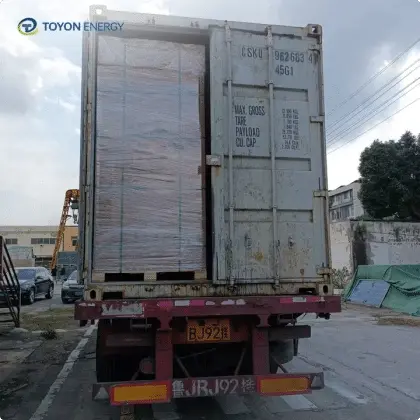
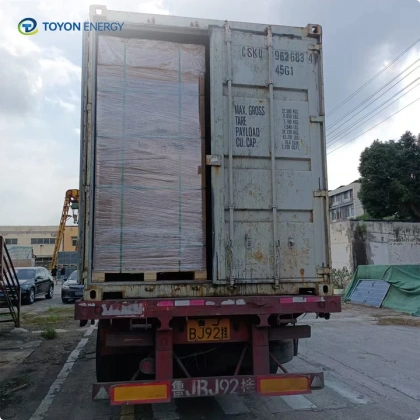
For the receiving team, a shipment of 720W solar panels is also a coordination task. Packing records, model identification and the installation schedule need to reach the people responsible for unloading, storage and site work.
The photographs document packed equipment and loading. They should not be read as evidence that a PV plant has already been connected to the grid or achieved a particular output.
A clear equipment handover normally brings several workstreams together:
- Module model and packing identification
- Receiving inspection and damage records
- Inverter model and technical documentation
- Equipment coordination with the approved site design
- Unloading, storage and installation scheduling
5 Checks Before Installing 720W Solar Panels
The following checks are general project-planning guidance, rather than additional claims about this shipment. They help turn an equipment list into questions that the design and installation teams can resolve.
1. Confirm the actual module count
Seventeen pallets is a packing quantity, not a system capacity. To calculate the DC nameplate capacity, the project team needs the number of modules and their individual ratings. Do not estimate that total from pallet count: packing arrangements can vary. Keep the approved packing list beside the equipment schedule so a receiving discrepancy is found before installation starts.
2. Check dimensions and handling requirements
For 720W solar panels, obtain the actual dimensions, mass and handling instructions from the applicable product documents. Roof access, lifting arrangements and the mounting layout need to accommodate the supplied model. A module that fits electrically must also fit the structure and the working area. The roof condition and mounting design need their own assessment; module wattage cannot answer those questions.
3. Match electrical characteristics, not just power labels
Before connecting 720W solar panels to an inverter, the designer checks module voltage and current, the proposed string arrangement and the inverter input limits. Temperature-dependent voltage and the available MPPT arrangement matter. A module rating of 720W and an inverter rating of 125kW do not, by themselves, prove compatibility. Use the exact model documents and the approved design rather than a generic rule based on watts.
4. Keep the AC connection in the design discussion
The inverter connects the PV array to the AC side of the project. Its output requirements, protection and controls need to suit the site connection and applicable approval process. Confirm who supplies the connection design and who carries out commissioning. This is especially helpful when the equipment buyer, EPC contractor and eventual site operator are different organizations.
5. Plan receiving and handover before the truck arrives
Make space for safe unloading and suitable storage, and give the receiving team the packing and identification records. Record visible damage and discrepancies through the agreed process. Installation should follow the manufacturer instructions and the approved project documentation. A completed shipment is an important milestone, but energization, testing and operational handover are later stages with their own responsibilities.
One useful handover exercise is to follow a single line item from the purchase record to the site drawing. Can the team identify which 720W solar panels are being received, find the corresponding datasheet revision, and match that model to the approved layout? The same exercise should work for each inverter. If a model reference differs, resolve the difference before installation rather than assuming that a similar power rating makes the equipment interchangeable. This simple document check helps the warehouse, designer and installer work from the same information without adding assumptions to the shipment report.
Questions About This Solar Equipment Shipment
Does 720W mean the panel always produces 720 watts?
No. The rating of 720W solar panels describes nameplate output under specified test conditions. Actual output changes with sunlight, module temperature, shading and other site conditions. A project energy estimate therefore needs a site-specific calculation rather than a multiplication that assumes rated power is available throughout every daylight hour.
Can the project capacity be calculated from 17 pallets?
Not from the published information alone. The number of 720W solar panels per pallet is not provided in this news report. The equipment schedule and packing list are the appropriate records for establishing the module quantity and total DC capacity.
Does the shipment show that the installation is already operating?
No. This report covers the supply of 720W solar panels and four 125kW inverters to an Iranian customer at the end of September. It does not report grid connection, commissioning or measured energy production. Those milestones need separate project evidence.