


Your rooftop solar system can look perfectly normal while producing less electricity than expected. For a factory, warehouse or commercial building, that creates an awkward question: do the panels need cleaning, or is something else wrong?
Effective solar panel maintenance starts with understanding the change. A useful plan combines performance monitoring, cleaning when justified, professional inspections and clear service records. The aim is to catch avoidable losses without adding unnecessary work or damaging the equipment.
Índice de contenidos
What Does Solar Panel Maintenance Include?
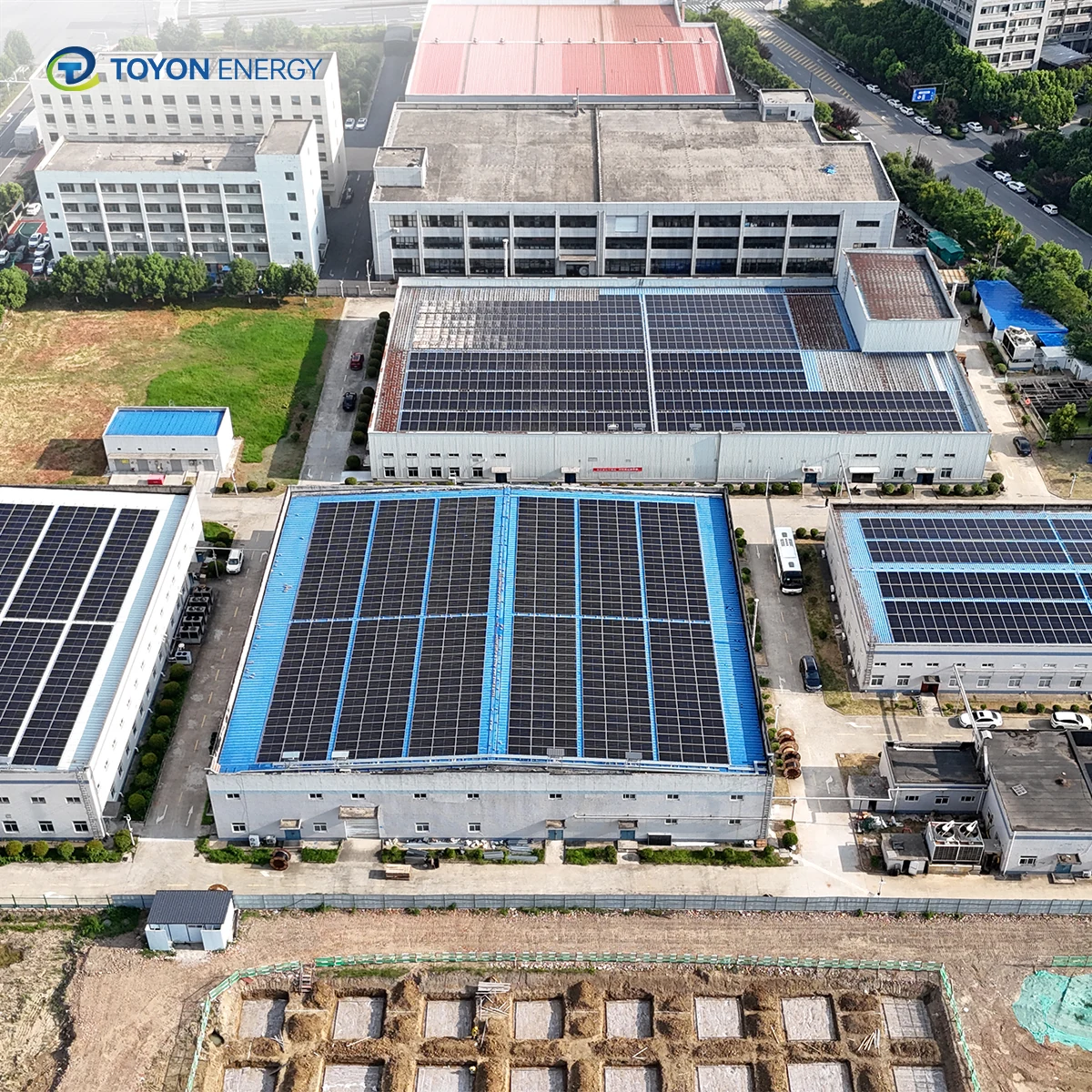
Solar panel maintenance means keeping the modules clean and checking that they remain mechanically secure and electrically sound. Across a commercial PV system, maintenance also covers mounting structures, cables, connectors, inverters and monitoring equipment.
Cleaning addresses contamination on the glass. It will not repair a faulty connection, resolve an inverter alarm or reverse normal module ageing. Keeping those jobs separate makes troubleshooting faster and helps facility teams spend their maintenance budget where it matters.
How Can Monitoring Guide Solar Panel Maintenance?
Start with the monitoring portal before arranging a roof visit. Compare generation with the commissioning baseline and similar weather conditions, allowing for sunlight, temperature, seasonal shading and any system changes. Yesterday's total alone is not a reliable benchmark.
Look for patterns. A gradual decline across the array may justify checking for soiling or new shading. A sudden loss affecting one inverter or string needs a different investigation. Missing monitoring data may simply mean a communication problem, rather than a generation failure.
Save the relevant dates, alarms and output charts. These give the service team a clearer starting point than “the electricity bill seems higher.” Where detailed data is available, compare equivalent sections of the array under comparable conditions.
How Often Should Commercial Solar Panels Be Cleaned?
There is no single cleaning interval that suits every roof. Dust, nearby construction, industrial deposits, birds, rainfall and module tilt all influence how quickly dirt accumulates. Rain can help, but it may leave stubborn deposits or dirt along lower edges.
Use site inspections and performance trends to establish a practical schedule. Reassess it after a dry season, nearby construction or a change in local conditions. A dusty warehouse roof may need a different approach from an office roof with regular rainfall.
For routine cleaning decisions, weigh the likely recoverable generation against cleaning, access and water costs. Visible damage or an electrical hazard requires attention regardless of that calculation.
How Should Solar Panels Be Cleaned Without Causing Damage?
The approved instructions for the exact module model come first. Ask the photovoltaic module manufacturer for the applicable installation and maintenance documents, including permitted tools, water quality and cleaning agents.
Use trained personnel with suitable roof access and fall protection. Follow the site's electrical safety and isolation procedures: switching off an inverter does not stop illuminated PV modules from generating DC electricity.
Where the module instructions permit, use clean water and soft, non-abrasive tools. Avoid abrasive pads, unapproved chemicals and improvised pressure washing. Do not stand on modules or direct water into connectors and junction boxes. Avoid cleaning hot glass with cold water.
If glass is cracked, wiring is exposed or components appear burnt, stop cleaning the affected area and arrange professional assessment. A cleaning visit should never turn into an improvised electrical repair.
What Should a Professional Inspection Check?
A useful inspection looks beyond the module surface. Depending on the equipment and site, it should cover:
- Glass, frames, backsheets or rear glass, and visible signs of damage.
- Mounting clamps, supports, corrosion and cable management.
- Connectors, junction boxes, protective bonding and electrical protection.
- Inverter alarms, ventilation and monitoring communication.
- New shading, blocked roof drainage and access routes.
Qualified technicians can investigate electrical abnormalities and use thermal imaging where appropriate. Electrical testing and corrective work require the relevant competence and procedures. They are not tasks for an untrained cleaning crew.
Build inspections into the solar panel maintenance plan, following equipment guidance, site exposure and service requirements. Arrange additional checks after severe weather or reported damage.
Do N-Type and Bifacial Panels Need Different Care?
Teams sourcing N type solar panels wholesale sometimes ask whether newer cell technology means less maintenance. It does not remove the need for clean surfaces, sound connections and performance monitoring. Construction and model-specific instructions still determine the maintenance method.
With bifacial solar modules for commercial rooftops, include the rear surface and surrounding obstructions in inspections. Any rear-side cleaning needs safe access and an approved method that protects cables and junction boxes.
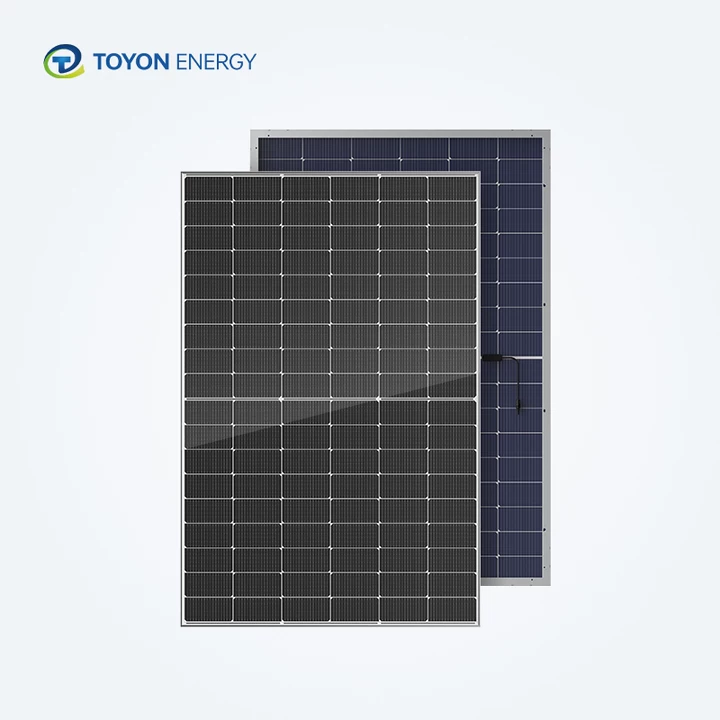
Rear-side contribution depends on available reflected light, clearance and shading. Cleaning cannot compensate for a roof layout that gives the rear surface little useful light, and it should not be presented as guaranteeing a particular generation gain.
How Can EPCs Plan Solar Panel Maintenance Before Handover?
When specifying PV modules for system integrators, consider safe access, inspection space and replacement planning alongside electrical design. A roof that is difficult to service can turn a minor fault into a lengthy interruption.
For businesses buying commercial solar panels wholesale, agree on the documentation and spare-parts arrangements before delivery. Replacement suitability depends on electrical ratings, connectors and mounting compatibility, not wattage alone.
At handover, retain module models and serial numbers, layout drawings, commissioning results, monitoring access and warranty terms. Name the person responsible for checking alarms and arranging service. Record subsequent cleaning methods, inspections, findings and repairs so the next technician can follow the system's history.
Solar Panel Maintenance FAQs
Is rain enough to keep solar panels clean?
Sometimes it removes loose dirt, but it is not a substitute for checking actual conditions. Bird droppings, industrial deposits and edge buildup may remain.
Will cleaning restore the original rated output?
Cleaning may recover losses caused by soiling. It cannot reverse ageing or repair faults, and nameplate power is measured under defined test conditions rather than every rooftop operating condition.
Does a long warranty replace a maintenance plan?
No. Product coverage, power guarantees and maintenance responsibilities are different. Keep the applicable terms and service records rather than assuming every performance loss is covered.
Long-term performance comes from noticing changes early and responding to the cause. For a commercial site, that means fewer guesses, better service decisions and a system whose operating history remains understandable years after installation.