


المحتويات
Solar projects in tropical and subtropical regions face different challenges from those in mild climates. High temperatures, humidity, heavy rainfall, salt air and strong sunlight can all affect module performance and long-term reliability. For homeowners, EPC companies and commercial project developers, choosing the right PV module is therefore about more than comparing wattage and price.
So, let’s explore the key factors to consider when selecting solar panels for hot and humid climates.
أولاً، والأهم هو التحقق من أداء درجات الحرارة
Solar modules do not perform at their rated output under every condition. As module temperature rises, power output generally decreases according to the module's temperature coefficient. NREL notes that PV output declines as temperature increases, making temperature performance particularly relevant in hot regions.
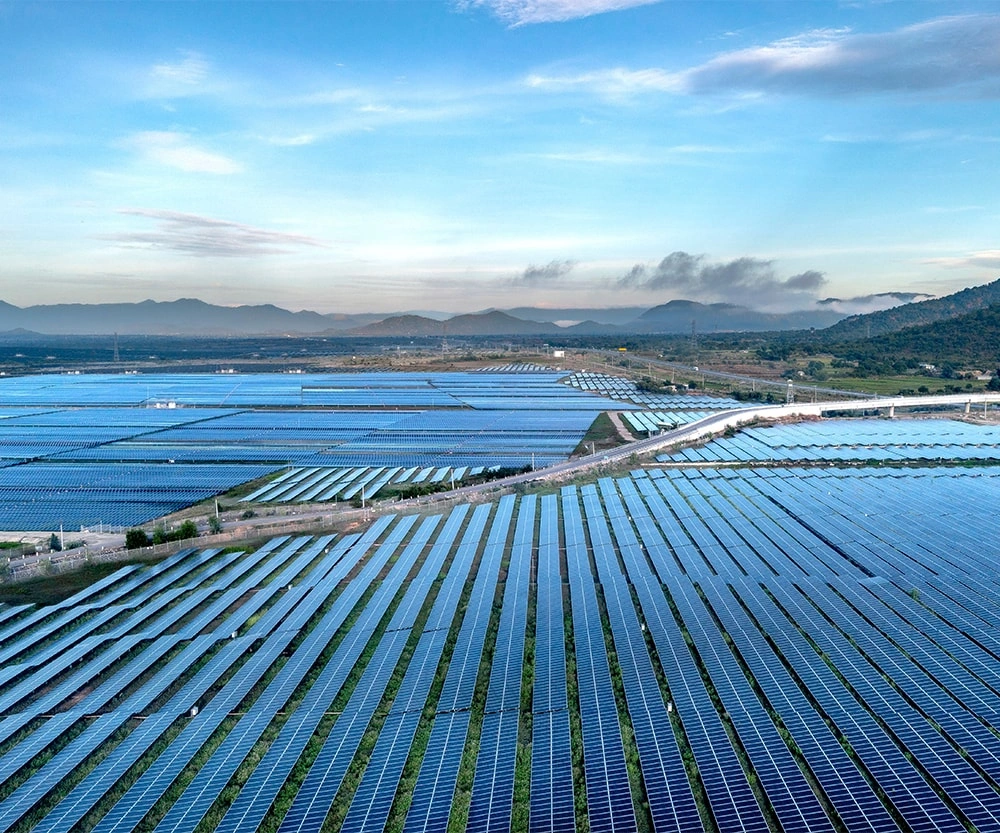
When comparing modules, check the temperature coefficient of Pmax in the datasheet. A lower absolute coefficient generally means less power loss as temperatures rise.
For projects in very hot environments, it is also worth checking whether the module has been evaluated under higher-temperature conditions. IEC's current guidance includes additional testing considerations for modules operating in environments where module temperatures can exceed the normal qualification range.
ثانياً، انتبه لمقاومة الرطوبة
Heat is only one part of the problem. In tropical regions, high humidity can create additional stress on module materials and electrical components.
Moisture can gradually penetrate vulnerable areas and contribute to degradation. Fraunhofer ISE includes humidity-heat testing among its PV module durability tests, specifically to evaluate resistance to long-term moisture exposure under hot conditions.
When choosing modules, ask suppliers about relevant damp-heat testing, encapsulation quality, junction box protection and material durability rather than looking only at the module's rated power.
ثالثاً، ضع في اعتبارك التآكل والظروف الساحلية
Projects located near coastlines have another concern: salt and moisture can accelerate corrosion.
For these installations, buyers should evaluate the materials used in the frame, connectors, junction box and other exposed components. If the project is close to the sea, selecting corrosion-resistant solar panels for coastal areas can help reduce environmental risks and support long-term system reliability.
This is especially important for commercial rooftops, solar farms and distributed generation projects where replacing damaged modules can create significant labor and downtime costs.
Fourthly, Look Beyond the Panel's Power Rating
A 600W or 700W module may look attractive on a price-per-watt comparison, but project buyers should consider the complete technical profile.
Important specifications include:
- Temperature coefficient
- Operating temperature range
- Humidity and damp-heat performance
- Mechanical load capability
- Module efficiency
- Degradation rate
- Warranty terms
- Certification and test documentation
IEC 61215 covers design qualification and testing for terrestrial PV modules, while IEC 61730 addresses electrical and mechanical safety requirements.
خامساً، قم مطابقة الوحدة النمطية مع بيئة المشروع
Not every tropical project has the same requirements. A factory rooftop in an inland city may have different environmental risks from a coastal solar farm.
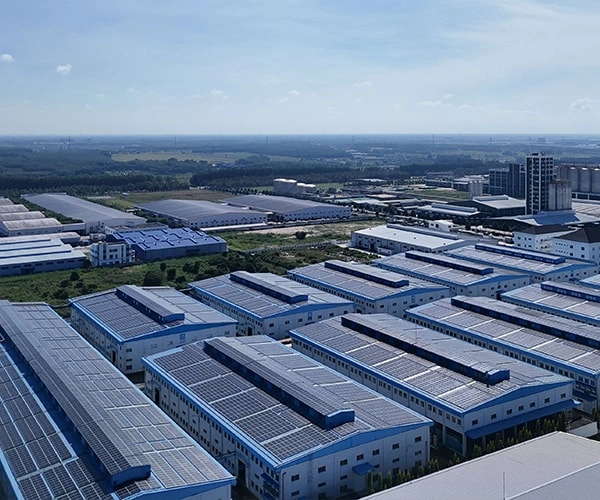
من أجل commercial solar panels for tropical climates, buyers should consider the local temperature, humidity, rainfall, wind conditions, roof structure and distance from the coast before selecting a module.
The right choice should balance performance, durability, certification, installation conditions and total project cost rather than focusing on the lowest upfront price.
أفكار أخيرة
Hot and humid climates can put PV modules under continuous environmental stress. Choosing a suitable module requires attention to temperature behavior, moisture resistance, corrosion protection, mechanical durability and certification.
For most EPC companies, distributors and project developers, working with an experienced PV module supplier can also make it easier to match the product specification with the actual installation environment. The best solar panel is not simply the one with the highest wattage—it is the one designed to deliver reliable performance under the conditions where your project will operate.
الأسئلة الشائعة
1. هل تُعتبر الألواح الشمسية أقل كفاءة في الطقس الحار؟
Yes. Solar panels generally produce less power as their operating temperature increases. However, this does not mean they are unsuitable for hot climates. When choosing a module, check its temperature coefficient and expected performance under high-temperature conditions.
٢. ماذا يحدث للألواح الشمسية في الحرارة الشديدة؟
Extreme heat can temporarily reduce the power output of PV modules and may increase thermal stress on some components. Good-quality modules are designed to operate outdoors across a wide temperature range, but selecting products with suitable temperature performance is especially important for tropical and desert projects.
3. هل يمكن للأمطار الغزيرة أن تلحق الضرر بالألواح الشمسية؟
Normally, rain does not damage properly designed and certified solar panels. In fact, rainfall can help wash dust and dirt from the module surface. The bigger concerns during severe storms are strong wind, flying debris, water ingress and inadequate installation.
4. How long can solar panels last in hot and humid environments?
The service life depends on module quality, environmental conditions, installation and maintenance. A quality module with appropriate environmental testing and a strong warranty can provide reliable long-term operation. Buyers should look beyond the initial price and evaluate expected degradation and warranty coverage.
5. Are solar panels affected by salt air near the coast?
Yes. Salt, moisture and humidity can accelerate corrosion of exposed metal and electrical components. For coastal installations, buyers should pay particular attention to corrosion-resistant solar panels for coastal areas, as well as the durability of frames, connectors, junction boxes and other exposed components.
6. Are solar panels suitable for tropical climates?
Yes, but not every module is equally suitable. Tropical regions often combine high temperatures, humidity, heavy rainfall and strong sunlight. Buyers should consider modules with appropriate weather resistance, humidity resistance, mechanical durability and certification for the local environment.