


Table of Contents
The rapid growth of electric vehicles (EVs) is changing the way people consume and manage energy. As more EV charging stations are being built in commercial areas, parking facilities, highways, and fleet operation sites, the pressure on existing power grids is increasing. Large numbers of vehicles charging at the same time can create peak demand issues, higher electricity costs, and challenges for grid stability.
This is where outdoor BESS for EV charging stations becomes an effective solution. By integrating battery energy storage systems with EV charging infrastructure, operators can balance energy demand, reduce grid stress, and improve charging efficiency.
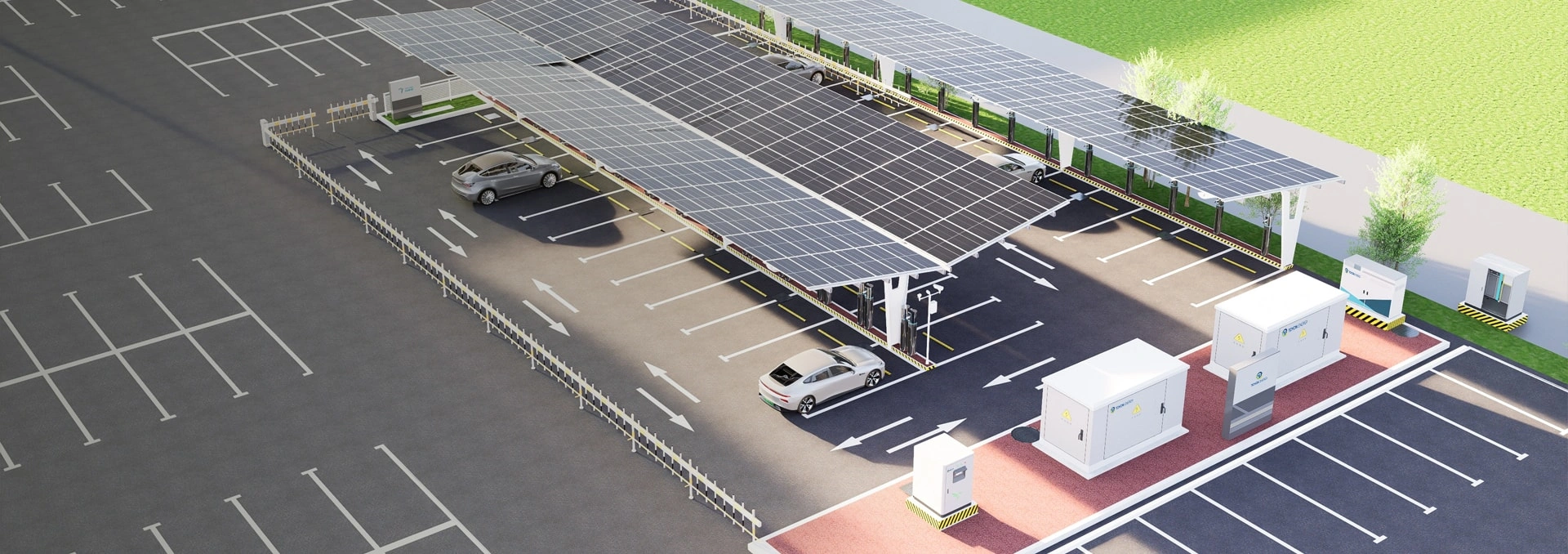
Why Do EV Charging Stations Need Battery Storage?
Traditional EV charging stations mainly depend on direct electricity supply from the grid. However, fast charging requires significant power within a short period, which can put pressure on local electrical networks, especially during peak hours.
A battery energy storage system works as an energy buffer. It stores electricity when demand is low and releases power when charging demand increases. This reduces the impact of sudden power loads and allows charging stations to operate more smoothly without requiring expensive grid upgrades.
For charging station owners, this means more stable operation, lower demand charges, and better energy management.
How Outdoor BESS Reduces Grid Pressure
One of the biggest advantages of battery storage is peak shaving. Instead of drawing all required power directly from the grid during busy charging periods, the BESS provides additional energy support from stored electricity.
For example, when multiple EVs arrive at a charging station during peak hours, the battery system can supply part of the charging power. This reduces the maximum grid load and helps avoid excessive electricity demand costs.
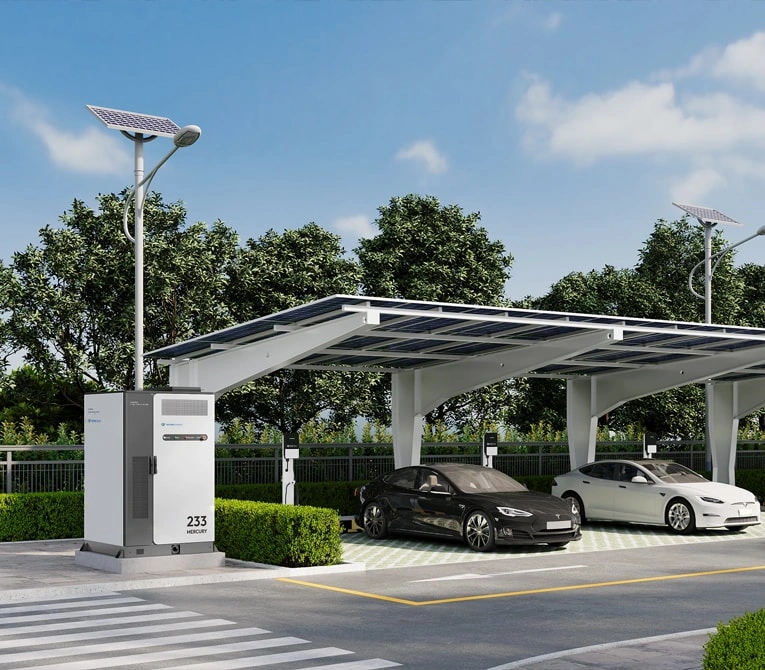
In addition, an advanced outdoor BESS solution can support renewable energy integration. Solar panels installed at charging stations can generate clean electricity during the day, which can be stored in the battery system and used later for EV charging. This creates a more sustainable and flexible energy ecosystem.
Key Benefits for EV Charging Operators
For businesses investing in EV charging infrastructure, battery storage brings several practical benefits:
Lower electricity costs:
By reducing peak grid consumption and optimizing energy usage, operators can lower electricity expenses.
Improved charging reliability:
Battery systems provide additional power support, helping charging stations maintain stable operation even when grid capacity is limited.
Flexible expansion:
Instead of upgrading grid connections immediately, businesses can expand charging capacity with energy storage support.
Better sustainability performance:
Combining BESS with renewable energy helps reduce carbon emissions and supports green transportation goals.
Choosing the Right Battery Storage System
When selecting a battery system for EV charging applications, operators should consider capacity, safety, scalability, and compatibility with charging equipment. Outdoor installation requires reliable protection against temperature changes, dust, and other environmental conditions.
A high-performance outdoor BESS system should include intelligent battery management, safety monitoring, and flexible expansion capabilities to meet different project requirements.
For commercial and fleet charging projects, a well-designed storage solution can improve energy efficiency while ensuring long-term operational reliability.
The Future of EV Charging with Battery Storage
As EV adoption continues to grow, the relationship between charging infrastructure and energy management will become increasingly important. Battery energy storage is not only helping reduce grid pressure but also creating smarter, more efficient charging networks.
By combining EV chargers, renewable energy, and battery storage technology, businesses can build future-ready charging stations that deliver reliable performance and sustainable value.
For companies planning large-scale EV charging projects, investing in a reliable outdoor BESS solution is becoming a key step toward achieving efficient energy management and a more resilient power infrastructure.
FAQs
1. What is an Outdoor BESS for EV Charging Stations?
An Outdoor BESS (Battery Energy Storage System) is a storage solution designed to support EV charging stations. It stores electricity and provides additional power during peak charging periods, helping reduce grid pressure and improve energy efficiency.
2. Why do EV charging stations need battery storage?
With the increasing adoption of electric vehicles, fast charging stations require large amounts of electricity in a short time. A BESS helps balance power demand, reduce peak loads, and avoid excessive stress on the local grid.
3. How does BESS reduce grid pressure for EV charging stations?
BESS stores electricity when grid demand is low and releases stored energy when charging demand increases. This reduces sudden power spikes and helps charging stations operate more smoothly without requiring major grid upgrades.
4. Can Outdoor BESS be combined with solar EV charging stations?
Yes. BESS can store excess solar energy generated during the day and supply power when needed. This improves renewable energy utilization and creates a more sustainable EV charging solution.
5. What are the main benefits of BESS for EV charging stations?
BESS can help reduce electricity costs, improve charging reliability, support higher charging capacity, and provide flexible energy management for commercial and fleet charging projects.
6. What size BESS is suitable for an EV charging station?
The required battery capacity depends on factors such as the number of chargers, charging power, daily energy consumption, and available grid capacity. Different projects may require solutions ranging from hundreds of kWh to MWh-level systems.
7. Is Outdoor BESS safe for EV charging applications?
Yes. Modern Outdoor BESS systems are equipped with intelligent BMS, temperature monitoring, and multiple safety protection features to ensure stable operation in different outdoor environments.