


Table des matières
For small businesses, electricity costs can have a direct impact on operating expenses. As energy prices and peak demand charges continue to put pressure on business budgets, commercial solar is becoming an option worth evaluating. However, the value of a solar project depends on more than the number of panels installed. System size, electricity usage, roof conditions, tariffs and future energy demand all need to be considered.

What Makes Commercial Solar Worth Considering?
A properly designed commercial solar power solution can help businesses reduce grid electricity purchases and make better use of available energy resources. For facilities with consistent daytime loads, such as factories, workshops, warehouses and retail buildings, solar generation can often be consumed directly on-site.
When selecting a commercial solar solution, businesses should look beyond equipment price. A suitable supplier should evaluate the facility’s load profile, roof area, operating schedule and electricity tariff before recommending the right system capacity.
The goal is not simply to install the largest possible PV system. It is to match solar generation with actual business demand.
How Should Businesses Evaluate ROI?
Return on investment depends on several factors, including system cost, annual solar generation, self-consumption, electricity prices and financing.
When evaluating a cost-effective commercial solar system, businesses should look beyond the initial quotation. A factory operating mainly during the day may achieve higher solar self-consumption than an office with limited daytime electricity demand, which can lead to different savings and payback results.
Businesses should therefore review historical electricity bills and, when available, hourly or interval load data before deciding on system capacity. This provides a more realistic basis for estimating annual savings and evaluating the expected payback period.
When Does BESS Make Sense?
Solar PV alone may not fully address a business's energy needs. Some facilities have higher electricity demand in the afternoon or evening, while others face demand charges or time-of-use electricity rates.
In these cases, BESS can store excess solar energy and release it when electricity demand or grid prices are higher. A C&I PV + BESS solution can therefore improve solar utilization while providing additional flexibility for energy management.
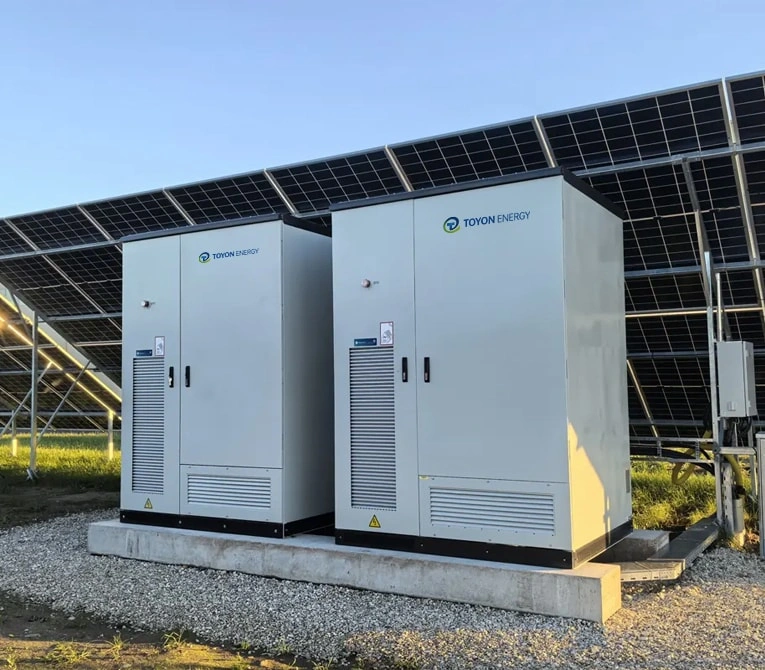
However, battery storage should be evaluated based on actual project economics. Not every small business needs BESS, and adding storage simply because it is available may not always provide the best return.
Choosing the Right Solar Supplier
For businesses comparing a commercial solar system manufacturer, technical capability is just as important as product pricing.
A qualified manufacturer should be able to support system design, component matching, energy storage integration, installation and commissioning. The supplier should also understand the business's current energy requirements and potential future expansion.
For example, a business planning to add production equipment or EV charging may need additional capacity in the future. Designing the system with future demand in mind can help avoid costly modifications later.
Is Commercial Solar a Good Investment?
For many small businesses, commercial solar can be a practical way to reduce long-term electricity costs when the system is properly sized and matched to the facility.
The right approach is to start with real electricity data, evaluate PV generation and self-consumption, and then determine whether BESS or other energy management solutions are justified.
Ultimately, the best commercial solar project is not necessarily the largest one. It is the solution that fits the business's energy profile, investment goals and future needs while delivering measurable long-term value.
FAQ
1. How long does commercial solar take to pay for itself?
There is no universal payback period. System cost, electricity rates, self-consumption, financing and local incentives can all affect the result. Businesses should evaluate the project using their own electricity data rather than relying on a standard estimate.
2. Does a business need to use most of the solar power itself?
High self-consumption can significantly improve project economics. Businesses operating mainly during daylight hours may get more value from solar than facilities with low daytime demand.
3. Is battery storage worth adding to commercial solar?
Not always. BESS can make more sense when a business has demand charges, time-of-use rates or significant electricity demand after solar production hours.
4. What if the business moves or sells the property?
This is an important consideration before installation. Businesses should review the expected payback period alongside their property ownership or lease term and understand the options for transferring or relocating the system.
5. Does the condition of the roof affect the solar investment?
Yes. If a roof may need major repairs or replacement soon, those costs should be considered before installing solar. Removing and reinstalling panels later can affect the overall project economics.
6. How can a business compare different solar quotations?
Don't compare proposals by price alone. Check system capacity, expected annual generation, self-consumption assumptions, equipment specifications, warranty, BESS performance and projected savings. Asking suppliers to provide the key assumptions makes proposals easier to compare.
7. Is the biggest commercial solar system always the best choice?
No. A larger system can generate more electricity, but if much of that power cannot be used on-site or is compensated at a lower rate, the additional capacity may not deliver the best return.