


The 1.2MW PV project at Jinzhai Zongjia Intelligent has come online, using several roof areas and a solar carport. The reported design targets 80% on-site consumption of generated electricity. EV charging and the wider solar-storage-charging development are described as plans, which should remain separate from the installation already reported as operating.
Table of Contents
Stepping into the facility of Jinzhai Zongjia Intelligent Technology, one hears the roar of diamond wire saws cutting through concrete, yet looking up reveals deep-blue photovoltaic panels quietly reflecting the sunlight.
This "hardcore" factory—specializing in reinforced concrete cutting for eighteen years—has recently donned a "soft" (green energy) coat. The 1.2MW PV project, constructed by Toyon Energy, has officially come online here.
1.2MW PV Project at a Manufacturing Facility
Jinzhai Zongjia Intelligent Technology is one of China's earliest enterprises specializing in the research of diamond wire saw cutting equipment. With over eighteen years of experience in the research, manufacturing, and application of concrete drilling and cutting equipment, Zongjia has consistently dedicated itself to providing professional, efficient, and reliable concrete cutting and demolition tools—such as electric remote-controlled wire saws and diamond wire ropes—thereby establishing a solid reputation within the industry.
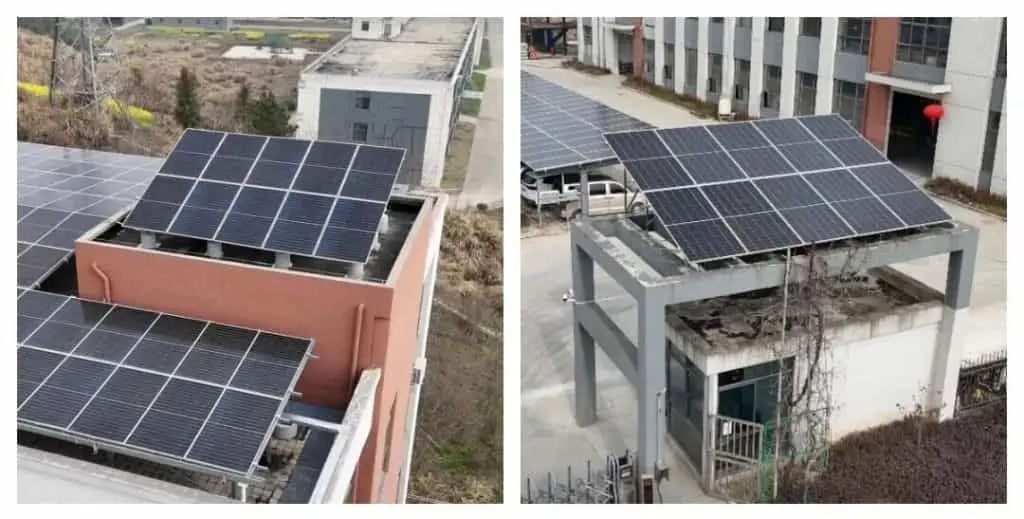
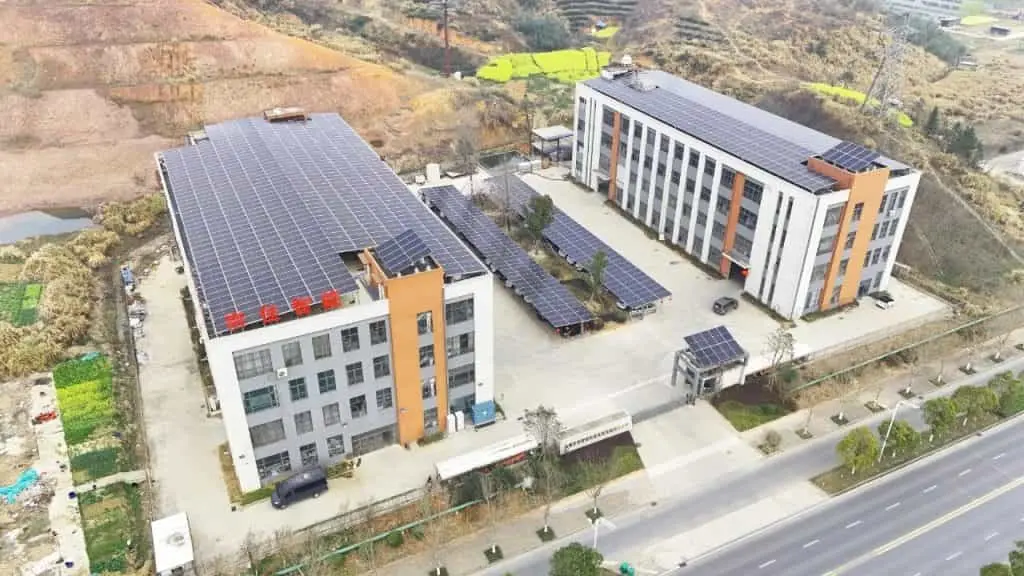
Today, this enterprise—backed by deep technical expertise—has embarked on its own "green transformation" with the help of Toyon Energy. The array for the 1.2MW PV project has been ingeniously installed across the factory's sunroom roof, two stairwell towers, and the roof of the security guardhouse; a solar carport has also been constructed. Every inch of space has been transformed into a collector of sunlight.
1.2MW PV Project: The 80% Self-Consumption Design
It is worth noting that the company's owner is an entrepreneur born in the 1980s. As a leader of the new generation in manufacturing, he possesses not only a relentless pursuit of technological excellence but also a strong commitment to green, eco-friendly principles. He aims to achieve tangible cost reductions and efficiency improvements for the company through this photovoltaic project.
Toyon Energy carefully considered the enterprise's electricity needs, designing the system so that 80% of the generated power is consumed on-site ("self-generation and self-consumption"). This not only significantly lowers daily electricity costs but also effectively alleviates pressure on the power grid during peak demand periods. For a manufacturing enterprise, a stable energy supply and controllable electricity costs are key to sustainable development.
Upgrading Employee Benefits: From Solar Power to an Integrated Solar-Storage-Charging System
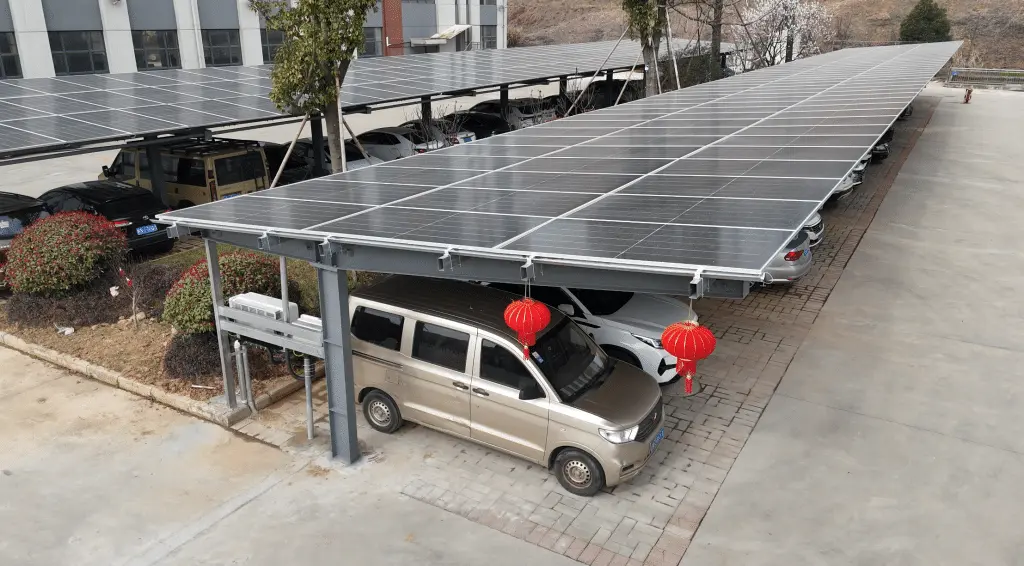
In addition to the solar panels installed on the factory roof, Toyon Energy has incorporated solar carports into the site design and plans to install EV charging stations. This setup will gradually establish an integrated "solar-storage-charging" green microgrid.
For employees, this means not only having covered parking spaces that offer protection from the sun and rain but also—for owners of new energy vehicles—the ability to charge their cars with green electricity generated from sunlight while they work. This initiative not only boosts employee satisfaction but also deeply instills the concept of green mobility.
Toyon Energy remains dedicated to providing enterprises with customized clean energy solutions. Our collaboration with Jinzhai Zongjia Intelligent Technology marks another successful milestone in driving the green transformation of the industrial sector. We believe that in the near future, more and more companies will join this "solar revolution," working together to illuminate a cleaner, brighter future.
1.2MW PV Project: What Another Factory Can Learn
The notes below provide general project context for readers. They do not add unreported milestones, performance results or commitments to the news above.
Match generation with the working day
For the 1.2MW PV project, on-site consumption is an important design objective. A factory considering a similar arrangement needs to compare the timing of PV generation with production demand. A monthly electricity total alone does not show that overlap. Weekends, shift patterns and seasonal production changes may all affect how much generation can be used directly.
Read the self-consumption ratio correctly
An 80% self-consumption design means a share of generated PV electricity is intended for use at the site. It does not mean that PV supplies 80% of all electricity the factory consumes. For the 1.2MW PV project, keeping those quantities distinct makes the operating model easier to understand. Actual performance should be checked with the relevant generation and consumption records after commissioning.
Coordinate the different installation areas
The 1.2MW PV project uses sunroom roofing, stairwell towers, a guardhouse roof and a carport. Each area brings its own structural, access and electrical considerations. The available area is one input to a design, rather than proof that every surface can carry the same installation. A new factory project needs its own assessment and work coordination with the facility operator.
Treat the carport as infrastructure as well as PV
A solar carport can provide covered parking and generate electricity. For the 1.2MW PV project, it also forms part of the site’s longer-term charging plan. Vehicle movement, pedestrian access, drainage and maintenance access need to fit the layout. Those practical requirements help determine whether an arrangement is useful to employees, beyond the capacity figure attached to the modules.
Separate future functions from today’s commissioning
The report describes plans for EV charging and a wider integrated energy arrangement. The 1.2MW PV project being online does not establish that every planned charger or storage function is installed. Keep a clear equipment and milestone record as the site develops. Each additional function needs to be coordinated with the electrical connection, controls and operating responsibilities.
Frequently Asked Questions
What does the 1.2MW PV project update confirm?
It reports that the distributed PV installation has come online at Jinzhai Zongjia Intelligent. The news also describes the installation areas and the design’s intended on-site consumption ratio. It does not provide a full year of measured operating results.
Does 80% self-consumption mean 80% electricity independence?
No. Self-consumption compares on-site use with PV generation. Electricity independence would require considering the site’s total demand and supply over time. These quantities should not be used interchangeably.
Are the planned charging facilities already complete?
The original report describes EV charging as a plan. Completion and commissioning of those facilities require a separate confirmed milestone. The 1.2MW PV project’s operation should not be used to imply that every future element is already in service.