

Table of Contents
Selecting the right solar panel wattage is one of the most important decisions when planning a solar energy system. Whether you are developing a residential rooftop installation, a commercial solar project, or a utility-scale power plant, choosing the appropriate solar panel size can significantly impact system performance, installation costs, and long-term return on investment.
Today, solar panels are available in a wide range of power outputs, from 450W modules for distributed systems to high-power 650W solar panels designed for large-scale applications. Understanding the differences between these options can help you make a more informed decision.
Why Solar Panel Wattage Matters
Solar panel wattage refers to the amount of power a module can generate under standard test conditions. Higher wattage panels generally produce more electricity per module, allowing installers to achieve the desired system capacity with fewer panels.
However, higher wattage does not always mean a better choice. The ideal solar panel wattage depends on factors such as available installation space, project type, budget, and energy consumption requirements.
450W-470W Solar Panels: Ideal for Residential and Small Commercial Projects
For homeowners and small commercial buildings, 450W-470W Solar Panels remain a popular option. These modules offer a balance between efficiency, size, and installation flexibility.
They are particularly suitable for:
- Residential rooftop solar systems
- Small business installations
- Distributed solar projects
- Limited roof space applications
Because of their manageable dimensions and reliable performance,
450W-470W solar modules are often chosen for projects where installation flexibility is a priority.
580W-600W Solar Panels: A Strong Choice for Commercial Applications
As solar technology continues to advance, 580W-600W Solar Panels have become increasingly common in commercial and industrial projects.
These modules offer several advantages:
- Higher energy output per panel
- Reduced installation costs
- Lower balance-of-system expenses
- Improved project economics
Commercial buildings, warehouses, agricultural facilities, and manufacturing plants often benefit from the increased efficiency provided by 580W-600W solar panels.
610W-630W Solar Panels: Optimized for Industrial and Large-Scale Installations
For larger projects requiring greater energy production, 610W-630W Solar Panels provide an excellent solution.
These high-power photovoltaic modules are frequently used in:
- Industrial facilities
- Ground-mounted solar systems
- Commercial energy projects
- Large rooftop installations
By generating more power per module, these panels help reduce the total number of modules required, which can simplify installation and reduce labor costs.
630W-650W Solar Panels: Designed for Utility-Scale Solar Farms
When maximizing energy generation is the primary objective, 630W-650W Solar Panels are often the preferred choice.
These high-wattage solar modules are specifically designed for:
- Utility-scale solar farms
- Large ground-mounted PV systems
- Industrial power generation projects
- Large commercial energy developments
The higher power output allows project developers to optimize land utilization and lower the levelized cost of electricity (LCOE), making them an attractive option for large-scale renewable energy investments.
710W-730W Solar Panels: Built for Next-Generation Utility-Scale Projects
As solar technology continues to evolve, 710W-730W Solar Panels are becoming an increasingly attractive option for utility-scale solar farms and large industrial energy projects. These ultra-high-power modules are designed to maximize energy generation while reducing the number of panels, mounting structures, and electrical connections required for a project.
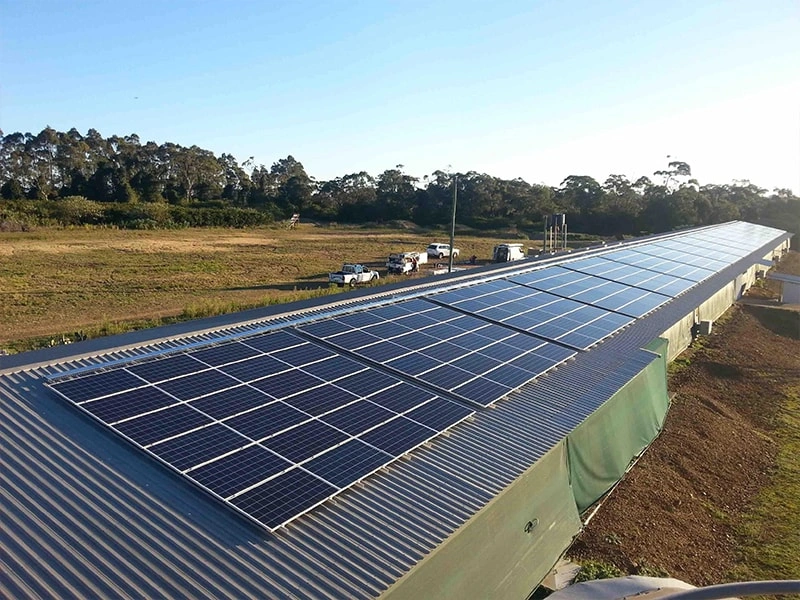
Typical applications include:
- Utility-scale solar power plants
- Large ground-mounted PV systems
- Industrial energy projects
- Renewable energy infrastructure developments
The higher wattage output of 710W-730W solar panels helps optimize land utilization, lower balance-of-system (BOS) costs, and improve overall project economics. For developers seeking to maximize energy yield and reduce the levelized cost of electricity (LCOE), these modules offer a highly competitive solution.
Key Factors to Consider When Choosing Solar Panel Wattage
Choosing the right solar panel wattage is all about balancing your home's energy needs, your roof's physical size, and your local climate. Selecting the optimum wattage ensures you generate enough electricity without overpaying for oversized or inefficient systems.Key factors to evaluate include:
1. Daily Energy Consumption
Assess your utility bills: Review past electricity bills to find your average daily consumption in kilowatt-hours (kWh).
Match usage to output: If your household uses 30 kWh of energy daily, you will need a solar array that can output this amount based on your local peak sun hours.
2. Available Roof Space
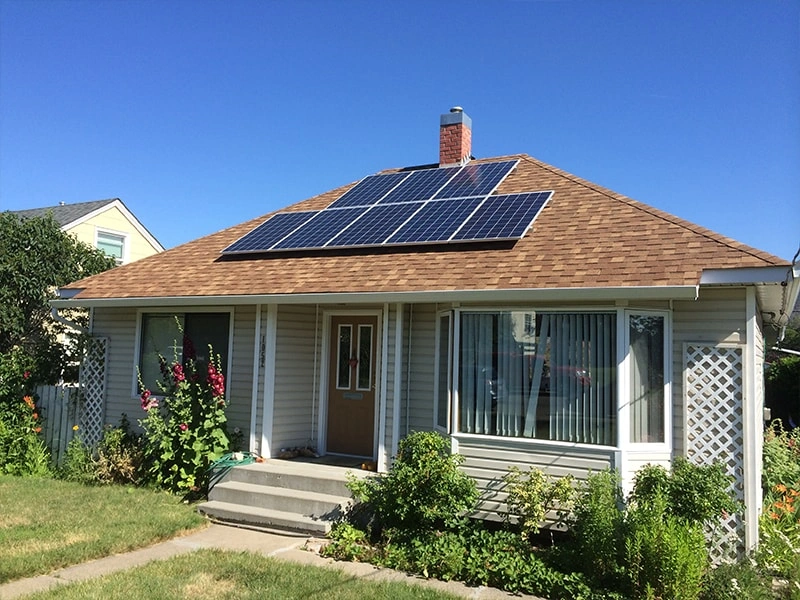
Space vs. Output: Modern residential panels typically range from 250W to 450W+. If your roof space is limited, higher-wattage panels allow you to generate more power using fewer panels.
Layout: Consider physical dimensions. A larger roof can accommodate standard 60-cell or 72-cell arrays, while smaller or oddly shaped roofs might require smaller, more strategically placed panels.
3. Panel Efficiency
Wattage isn't everything: A 350W panel with 21% efficiency can often produce more usable electricity than a 400W panel with 17% efficiency.
ROI: High-efficiency panels have a higher upfront cost but often yield a better long-term return on investment, particularly for properties with limited installation space.
4. Peak Sun Hours in Your Area
Location matters: The amount of power your panels generate depends on the average daily solar irradiance (peak sun hours) your region receives.
Cloud coverage: If you live in an area with frequent clouds or poor weather, installing a higher-capacity system helps compensate for lower daily averages.
5. Temperature Coefficient
Heat sensitivity: Solar panels are tested in ideal lab conditions (Standard Test Conditions, or STC: 25°C). In hot weather, panel efficiency drops.
The metric: Check the temperature coefficient (usually measured in % per °C); a lower percentage indicates better performance in high heat.
Final Thoughts
Choosing the right solar panel wattage depends on your project size, installation conditions, and energy goals.
- 450W-470W Solar Panels are ideal for residential and small commercial systems.
- 580W-600W Solar Panels are well-suited for commercial buildings and industrial facilities.
- 610W-630W Solar Panels provide higher output for large commercial and industrial projects.
- 630W-650W Solar Panels are commonly used in utility-scale and ground-mounted solar installations.
- 710W-730W Solar Panels are designed for next-generation utility-scale solar farms and large renewable energy developments requiring maximum power generation.
By understanding the strengths of each wattage range, project owners can select the most suitable solar panel solution to improve energy production, reduce installation costs, and achieve long-term returns on investment.
Frequently Asked Questions
1. Are higher wattage solar panels always better?
Not necessarily. Higher wattage solar panels generate more power per module, but the best choice depends on your project requirements, roof space, budget, and installation conditions. Selecting the right wattage is often more important than simply choosing the highest available power output.
2. Which solar panel wattage is best for commercial buildings?
For commercial rooftops, 580W-600W Solar Panels are often considered an ideal balance between efficiency, installation flexibility, and cost-effectiveness. Larger commercial projects may also utilize 610W-630W Solar Panels to further increase energy production.
3. Which solar panels are suitable for industrial facilities?
Industrial facilities typically require higher-capacity modules to meet large energy demands. 610W-630W Solar Panels and 630W-650W Solar Panels are popular choices for factories, warehouses, and manufacturing plants due to their high output and strong performance.
4. Do higher wattage solar panels reduce installation costs?
In many cases, yes. Higher wattage modules allow installers to achieve the desired system capacity with fewer panels. This can reduce mounting hardware, cabling, labor, and other balance-of-system costs, especially in large commercial and utility-scale projects.
5. How can I determine the best solar panel size for my project?
The best approach is to evaluate your energy consumption, available installation area, budget, and project goals. Comparing different options such as 450W-470W, 580W-600W, 610W-630W, 630W-650W, and 710W-730W Solar Panels can help identify the most suitable solution for your specific application.
6. How does solar panel wattage affect return on investment?
Higher wattage solar panels can improve project economics by increasing energy production and reducing installation costs. However, the overall return on investment depends on factors such as system design, electricity rates, local solar conditions, and project scale.