


Location |
Riyadh, Saudi Arabia |
Project Ready Date |
2026-06-16 |
Module Type |
2MWh Container Energy Storage System + LiFePO4 Lithium Battery |
Module power |
2MWh Container Energy Storage System |
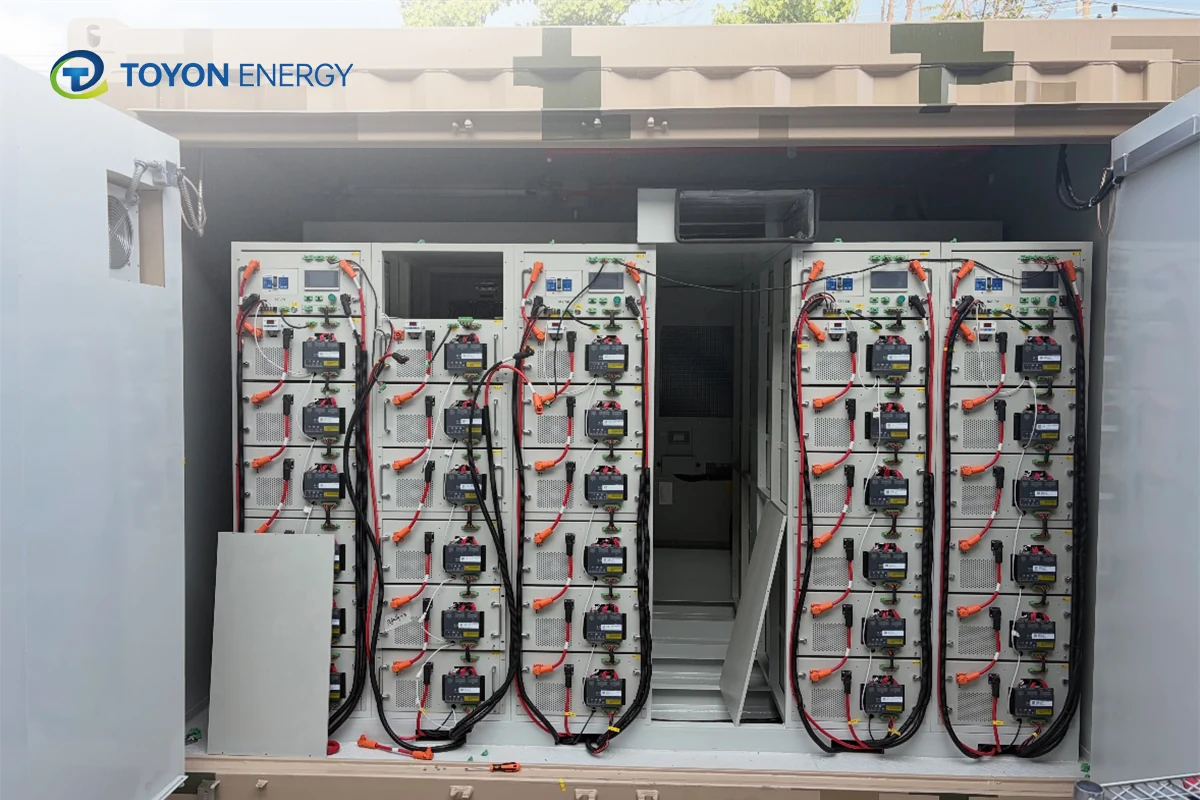
Project Overview
To improve energy efficiency and enhance power reliability, a commercial facility in Riyadh, Saudi Arabia, deployed a 2MWh containerized battery energy storage system. The solution was designed to support peak shaving, provide backup power, and optimize energy consumption while supporting the customer's long-term sustainability goals.
The all-in-one container solution integrates batteries, PCS, BMS, EMS, and HVAC systems, enabling rapid deployment and simplified operation.
Project Challenges
The customer was facing several energy-related challenges, including:
- Rising electricity costs during peak demand periods
- Increasing pressure to improve energy efficiency
- Concerns about grid stability and unexpected outages
- The need for a scalable energy storage solution
- Limited space and a preference for fast installation
A reliable and intelligent energy management solution was required to ensure continuous operation and reduce operational costs.
Solution Highlights
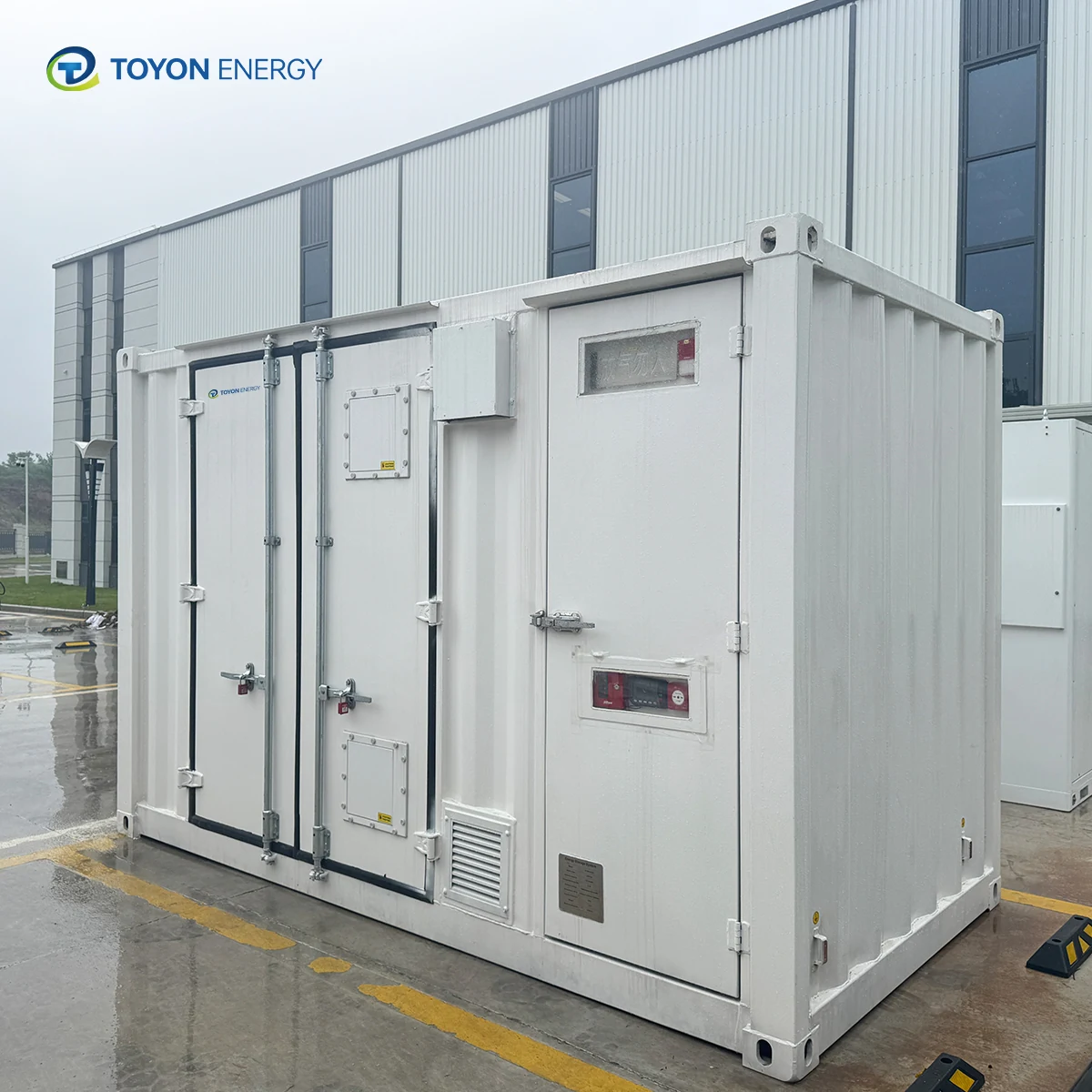
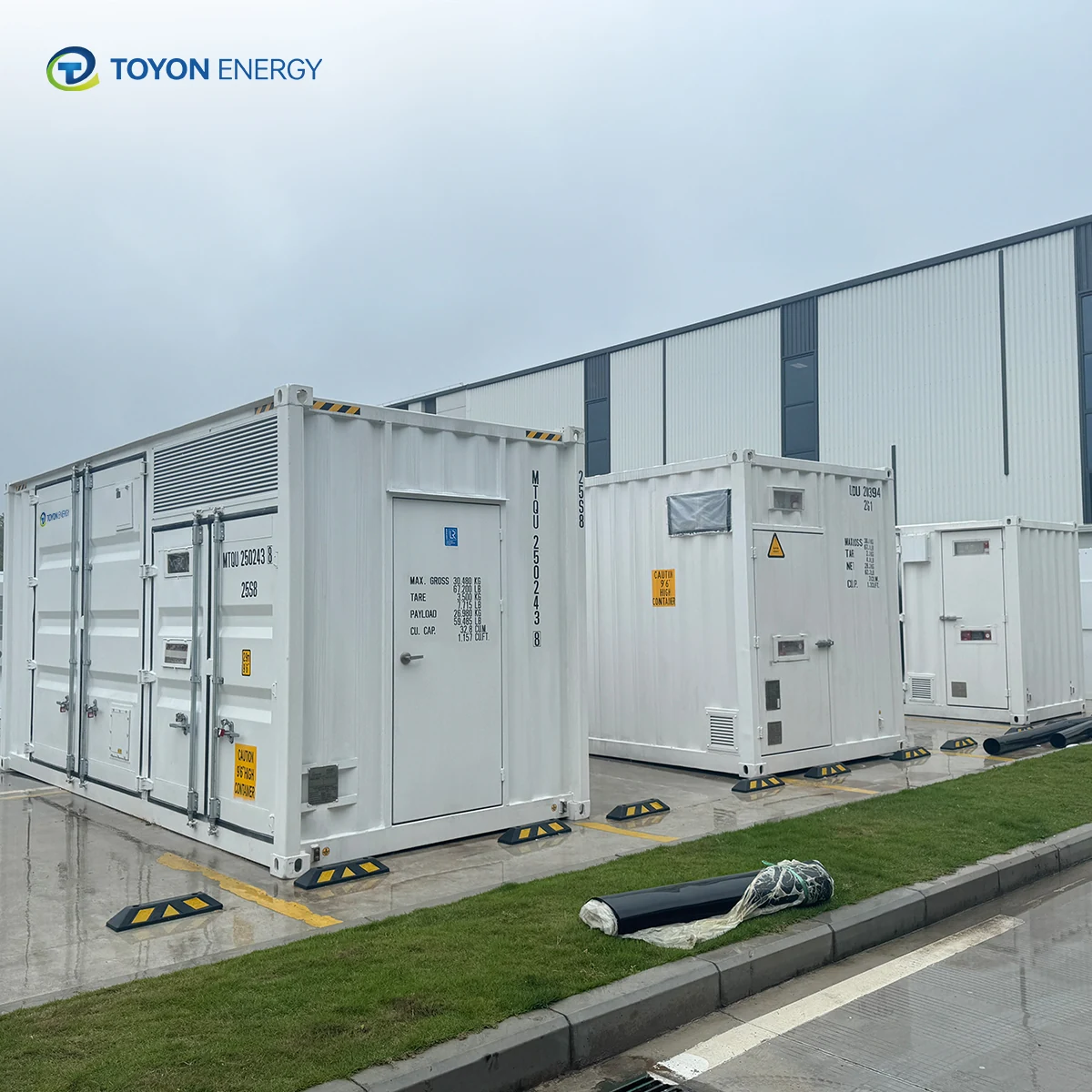
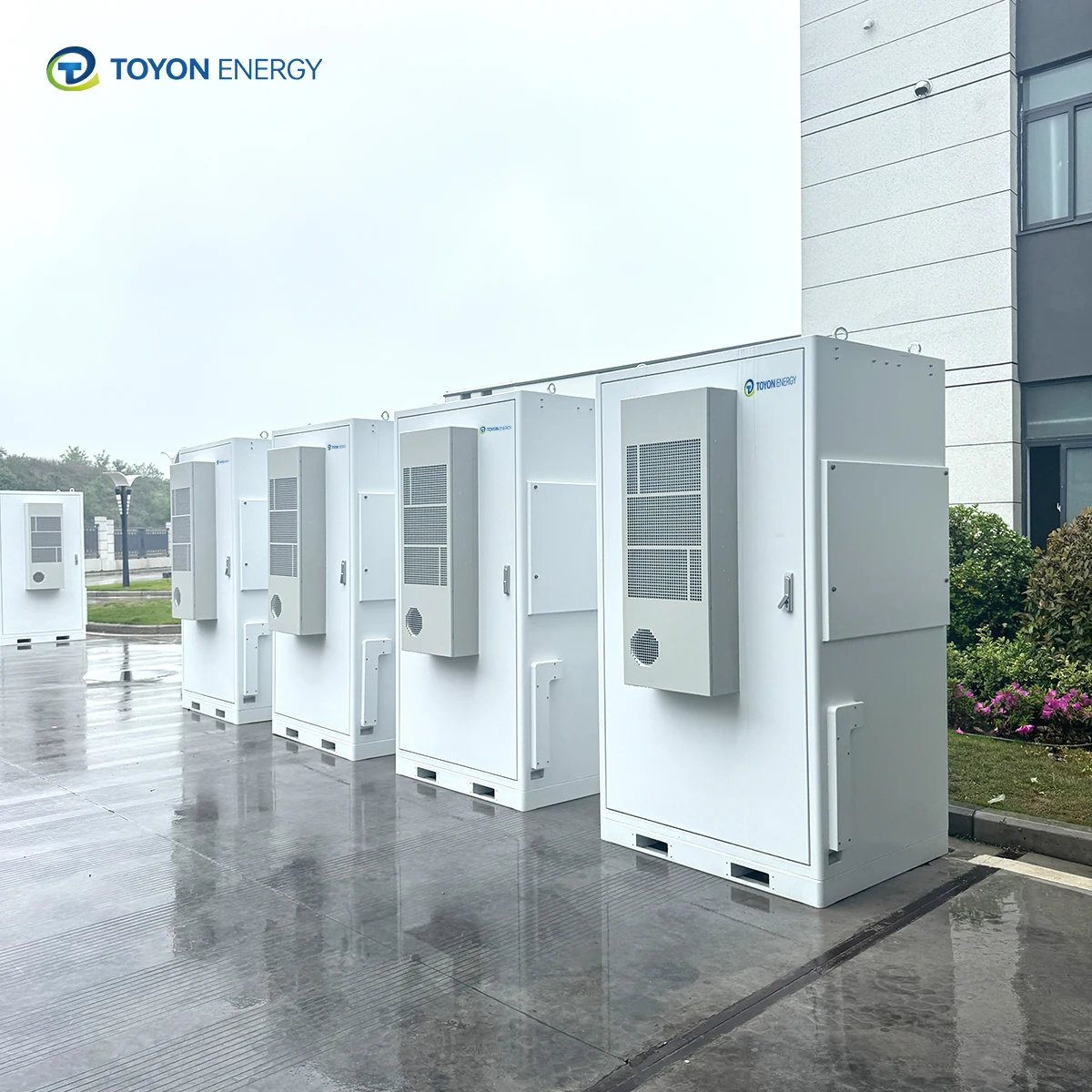
To address these requirements, we provided a fully integrated container energy storage solution featuring:
- 2MWh LiFePO4 Battery Energy Storage System
- Pre-installed BMS, PCS, EMS, and HVAC
- Plug-and-play container design for rapid deployment
- Intelligent energy management and remote monitoring
- Peak shaving and backup power capabilities
- IP54-rated outdoor protection for harsh environments
The modular architecture also allows future expansion as energy demand grows.
Project Benefits
✅ Reduced peak electricity demand charges
✅ Enhanced energy reliability and operational continuity
✅ Intelligent energy management with remote monitoring
✅ Lower overall energy costs
✅ Flexible and scalable system design
✅ Faster installation and simplified maintenance
✅ Improved sustainability and carbon reduction performance
Specifying a Commercial BESS for a Similar Facility
For an EPC team specifying a battery energy storage system container, the starting point is the site's load profile and operating objective. This Riyadh case combines 2MWh of stored energy with integrated power conversion, battery management and energy management. The energy rating alone does not define the available discharge power or the duration of support for every load.
When comparing a commercial battery energy storage system, request the usable energy, PCS rating, cooling requirements and commissioning scope together. For battery storage for peak shaving, the control strategy should follow the facility's demand pattern and applicable tariff. Share interval consumption data and the required backup loads when discussing a comparable configuration.
Planning a similar installation? Share your site details and equipment requirements with Toyon Energy to discuss a project-specific supply proposal.
Conclusion
The 2MWh Container Battery Energy Storage System project in Riyadh demonstrates how commercial and industrial customers can improve energy resilience and optimize electricity usage through advanced battery storage technology.
With intelligent control, high-efficiency lithium batteries, and a modular containerized design, the solution delivers reliable power support while helping customers achieve long-term energy savings and sustainability goals.
FAQs
1. How long does it take to install a container battery energy storage system?
Containerization can simplify site work because equipment is assembled before delivery. The installation and commissioning schedule depends on foundations, electrical works, transport access, approvals and acceptance testing; it should be agreed for the specific project.
2. Can container energy storage systems be installed outdoors?
Outdoor installation depends on the enclosure rating and the complete equipment specification. This project lists IP54 protection. An IP rating describes ingress protection; it does not by itself establish suitability for every ambient temperature, corrosive environment or site exposure. Check cooling, clearances and site conditions separately.
3. Does a container battery energy storage system require regular maintenance?
Battery storage systems require relatively low maintenance. Routine inspections, software updates, and periodic checks of cooling and protection systems help ensure long-term reliability.
4. What is the difference between power (MW) and energy capacity (MWh)?
Power (MW) describes the rate of energy delivery, while energy capacity (MWh) describes stored energy. As an idealized calculation, 1MW / 2MWh corresponds to 1MW for 2 hours, 500kW for 4 hours or 250kW for 8 hours. Actual runtime depends on usable energy, state of charge, conversion losses, operating limits and the load profile.
5. Are lithium battery energy storage systems environmentally friendly?
Yes. By improving renewable energy utilization and reducing dependence on fossil fuels, lithium battery storage systems help lower carbon emissions and support sustainable energy development.
6. Are container energy storage systems suitable for off-grid applications?
Containerized BESS can form part of an off-grid microgrid when the PCS, control system, protection and other generation sources are designed for islanded operation. Off-grid capability must be confirmed for the selected configuration.