


Location |
Texas, USA |
Project Ready Date |
2026-06-18 |
Module Type |
40.8 kWh Lithium Battery + 8 kW Hybrid Inverter |
Module power |
10.56kW |
Project Overview
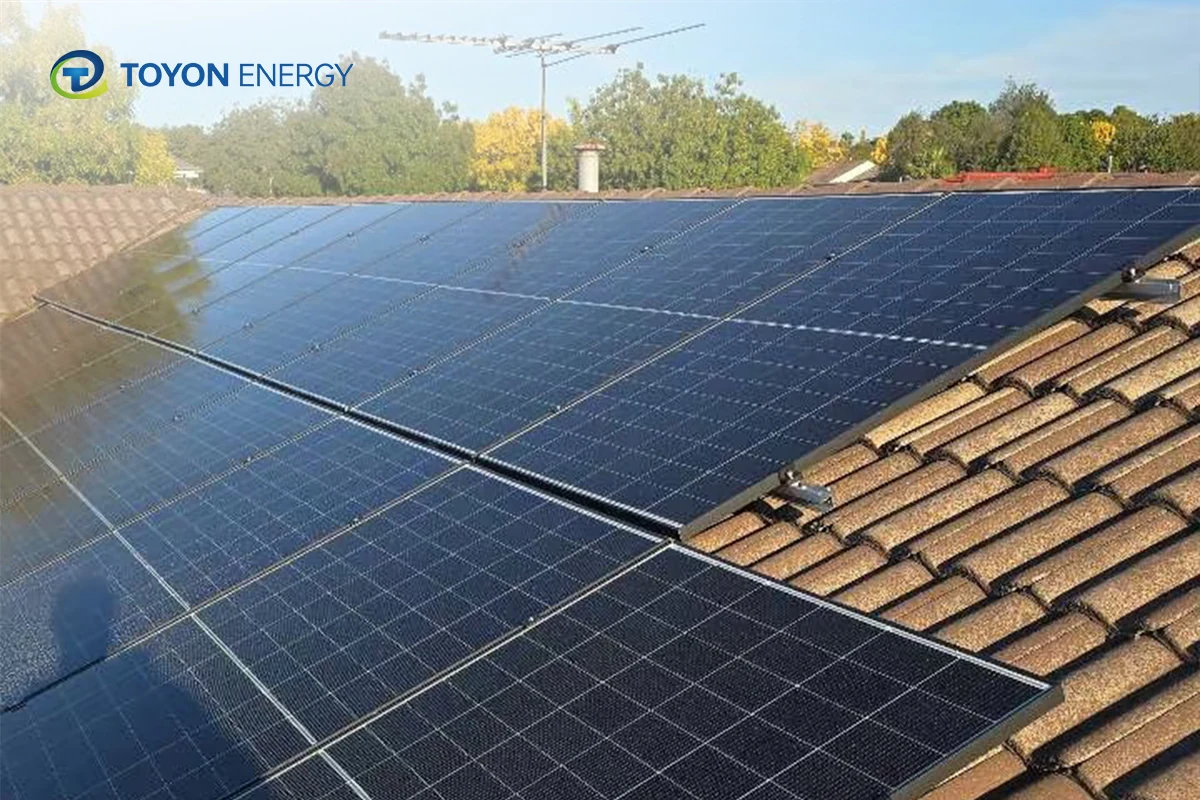
This residential solar and battery storage project was installed for a homeowner in Texas, USA, to provide reliable backup power and reduce dependence on the utility grid. By combining solar generation with energy storage, the system enables efficient energy management, lower electricity costs, and greater energy independence for daily household use.
Project Challenges
The customer faced several energy-related challenges:
- Increasing electricity prices and monthly utility bills.
- Growing demand for reliable backup power during grid outages.
- The need to maximize rooftop space and improve energy efficiency.
- Desire for greater energy independence and reduced reliance on the utility grid.
The customer required a flexible and intelligent solution capable of providing stable power day and night.
Solution Highlights
Toyon Energy designed and delivered an integrated solar-plus-storage solution featuring:
High-Efficiency Rooftop Solar System
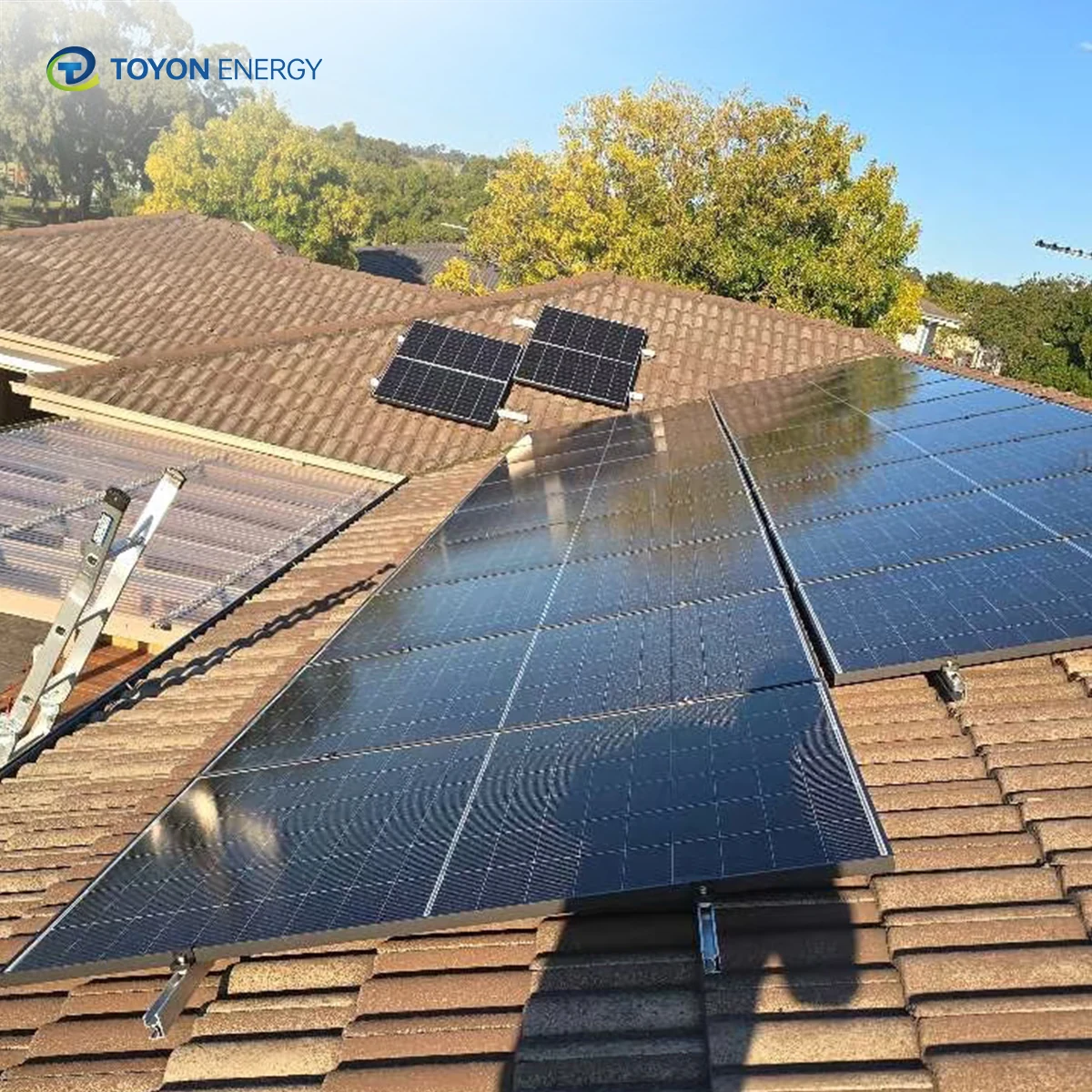
A 10.56 kW photovoltaic system generates clean electricity during the day, helping reduce dependence on grid power.
Large-Capacity Battery Storage
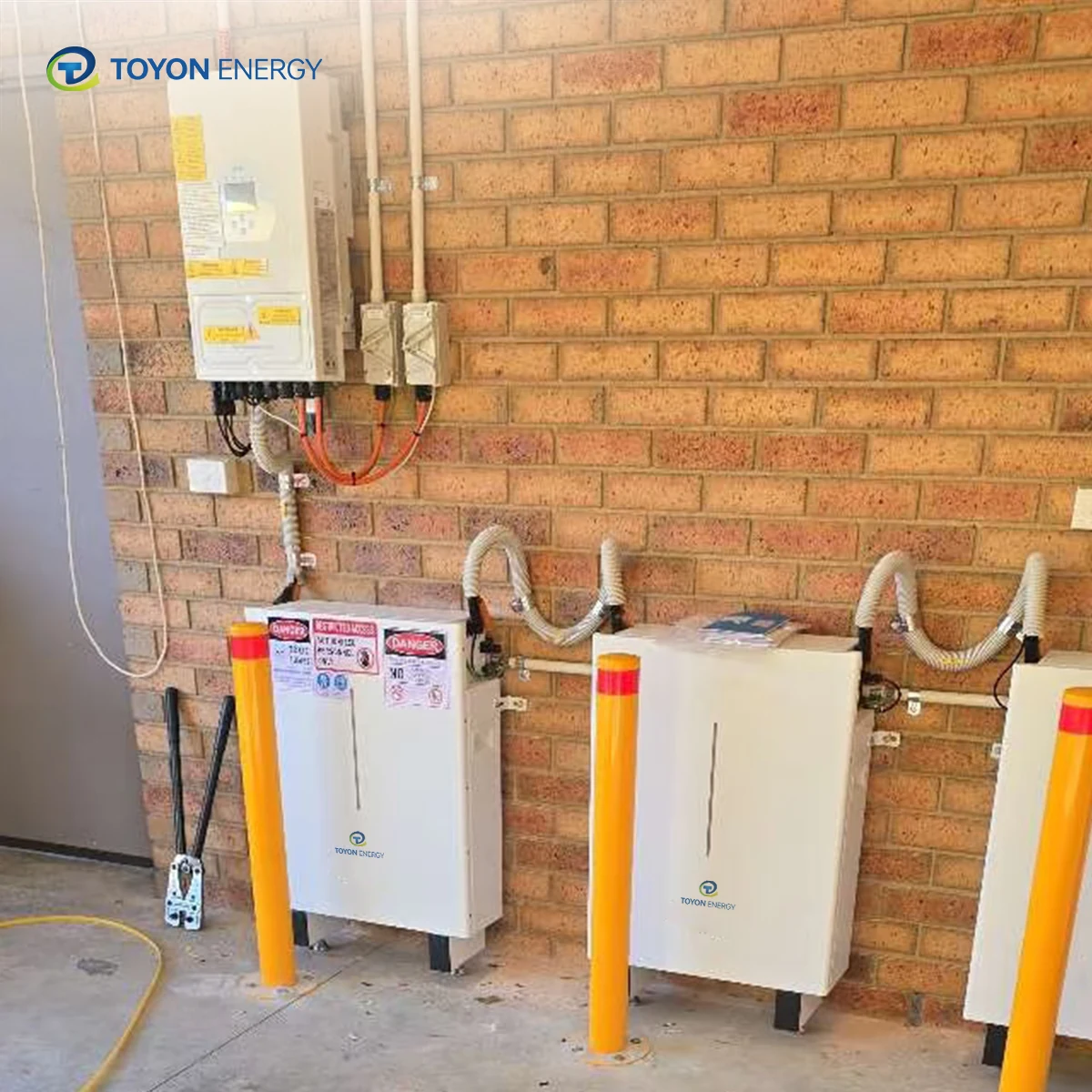
The 40.8 kWh lithium battery system stores excess solar energy for nighttime use and emergency backup.
Smart Hybrid Inverter
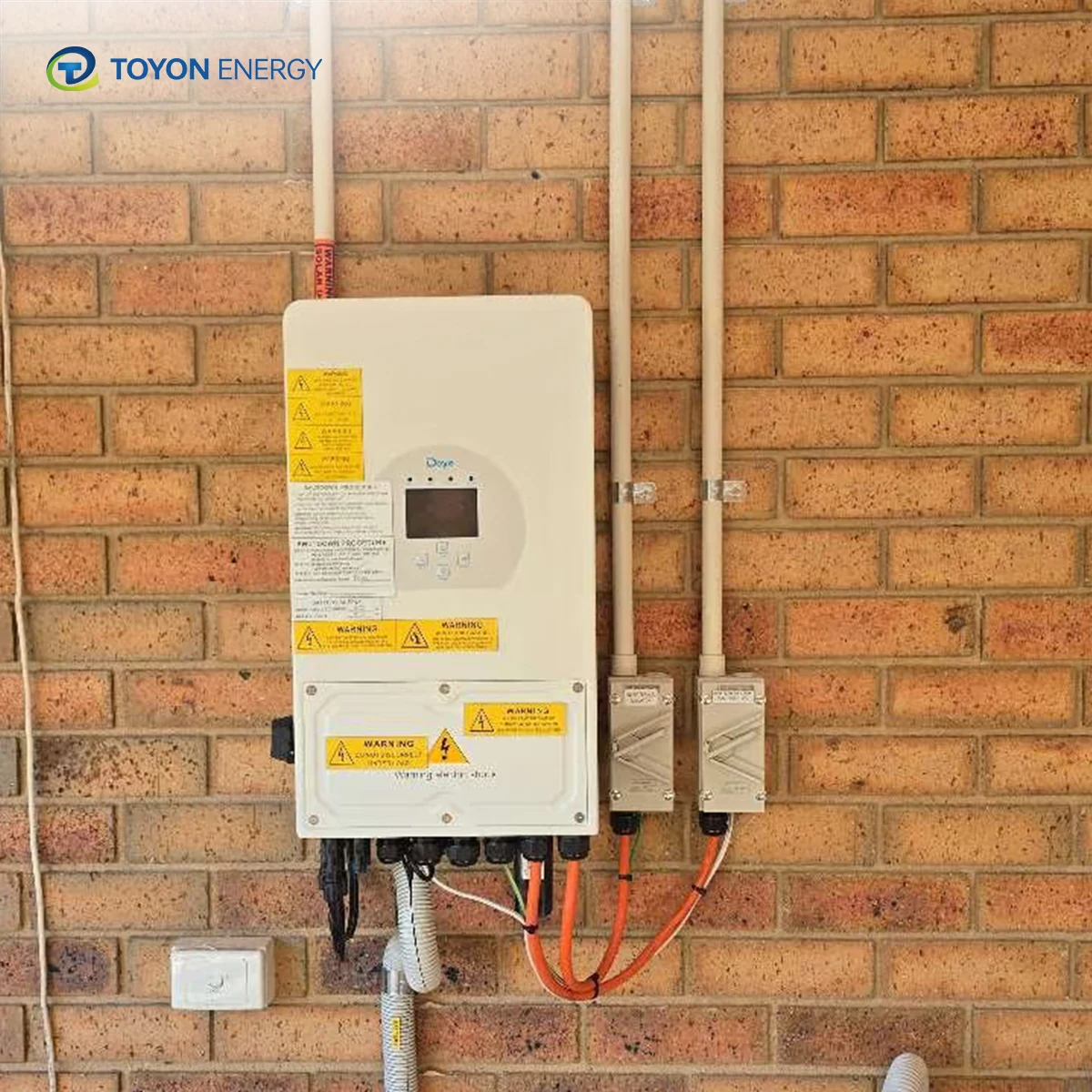
An 8 kW hybrid inverter intelligently manages energy generation, storage, and consumption, ensuring seamless operation and optimal performance.
Customized System Design
The entire system was tailored to the customer's energy consumption profile and available installation space, maximizing overall efficiency and return on investment.
Project Benefits
Reliable Backup Power
The battery system provides continuous electricity during power outages, ensuring essential household appliances remain operational.
Lower Electricity Costs
By increasing self-consumption of solar energy, the homeowner can significantly reduce monthly utility expenses.
Smart Energy Management
The integrated system automatically balances power generation and consumption, enabling efficient energy usage around the clock.
Enhanced Energy Independence
The solution reduces reliance on the grid and protects the customer from rising energy prices.
Sustainable and Clean Energy
By utilizing renewable solar energy, the project contributes to lower carbon emissions and a greener future.
Why PV, Inverter and Battery Ratings Must Be Read Separately
This Texas project combines 10.56kW of PV, 40.8kWh of battery storage and an 8kW hybrid inverter. The PV rating is not the same as the inverter's AC output capability, and the battery's kWh rating is not a power rating. A solar panel supplier and system integrator should check these interfaces together when assembling a comparable equipment package.
Compare the hybrid inverter for solar battery systems with the selected battery's voltage, communications and discharge limits. Our residential solar solutions provide a starting point for project discussions. Share the load schedule and desired backup priorities so the final configuration reflects actual household use.
Planning a similar installation? Share your site details and equipment requirements with Toyon Energy to discuss a project-specific supply proposal.
Conclusion
This residential solar and battery storage project in Texas demonstrates how a properly designed energy solution can provide reliable backup power, lower electricity bills, and improve energy independence.
With a 10.56 kW solar system, 40.8 kWh lithium battery, and 8 kW hybrid inverter, the homeowner now enjoys smarter and more sustainable energy management every day.
Toyon Energy is committed to delivering customized residential, commercial, and industrial solar energy storage solutions worldwide, helping customers achieve a cleaner, more reliable, and energy-independent future.
FAQs
1. Will the solar system work during a power outage?
A solar and battery system can supply selected loads during an outage only when the hybrid inverter, transfer or isolation equipment, protection and controls are configured for backup operation. The supported circuits and transfer behavior should be confirmed during commissioning.
2. How long can a 40.8kWh battery power a home?
Runtime depends on the usable portion of the 40.8kWh battery, its state of charge, conversion losses and the actual load. Estimate duration using usable energy divided by average supported power, then check inverter limits and appliance starting loads. The nominal battery rating alone cannot guarantee a full day of backup.
3. How much roof space is required for a 10.56kW solar system?
Roof space depends on the selected module dimensions, orientation, setbacks, shading and maintenance access. Use the approved layout and structural assessment for the 10.56kW project rather than treating a generic roof-area estimate as an installation requirement.
4. Can the system help reduce peak electricity costs?
Yes. Battery storage allows homeowners to store excess solar energy and use it during peak-rate periods, helping reduce electricity bills and improve energy efficiency.