


Table of Contents
Choosing the right commercial and industrial (C&I) solar system is an important decision for factories looking to reduce electricity costs, improve energy efficiency and support long-term business growth. However, selecting a suitable system involves more than comparing solar panel prices or calculating how many panels fit on the roof. Factory owners need to consider electricity consumption, production schedules, roof conditions, grid capacity and future energy requirements.
A well-designed C&I solar system for factory applications should match the facility’s actual energy demand while providing flexibility for changing operational needs.
1. Understand Your Factory’s Electricity Consumption
Before selecting a solar system, review the factory’s electricity bills and operating data. Ideally, collect at least 12 months of consumption records to identify seasonal changes and variations in electricity demand.

Pay particular attention to daytime and nighttime consumption, production schedules, peak power demand and weekend operations. Factories that operate mainly during daylight hours may be able to use a large proportion of their solar generation directly. Facilities running multiple shifts may need a different system configuration to accommodate electricity demand outside solar production hours.
Understanding the factory’s load profile helps determine an appropriate PV capacity and reduces the risk of installing a system that generates more electricity than the facility can effectively use.
2. Evaluate Available Roof Space and Installation Conditions
Factory rooftops can provide substantial space for solar panels, but the total roof area does not necessarily represent the usable installation area.
Before designing a commercial rooftop solar system, evaluate the roof’s structural capacity, age, orientation, shading and drainage. Existing equipment, including ventilation systems, skylights and air-conditioning units, must also be considered.
Maintenance access and installation safety are equally important. If the roof requires significant repairs or reinforcement, these costs should be included in the project assessment before installation begins.
For factories with limited or unsuitable rooftop space, ground-mounted solar or other system configurations may be worth evaluating.
3. Select the Right Solar Capacity
A larger solar system can generate more electricity, but a higher installed capacity does not automatically deliver better financial returns.
The appropriate capacity depends on electricity consumption, available installation space, local solar conditions, inverter configuration and grid connection requirements. Businesses should compare several system sizes against their actual electricity demand rather than simply installing as many panels as possible.
Excess solar generation also needs to be considered. Depending on local regulations and utility agreements, surplus electricity may be exported to the grid, stored in batteries or curtailed. Understanding these options before installation helps businesses make more informed decisions about system sizing.
4. Decide Whether Battery Storage Is Necessary
Solar panels generate electricity during daylight hours, while a factory’s demand may continue into the evening or vary considerably throughout the day. Battery energy storage systems (BESS) can help address this mismatch.
A factory may benefit from adding battery storage when it has significant evening demand, high peak-demand charges, limited grid capacity or excess solar generation that cannot be fully utilized.
A C&I PV + BESS system can store available energy and discharge it when needed, depending on battery capacity, operating strategy and system controls. However, batteries increase the initial investment and introduce additional equipment and maintenance requirements.
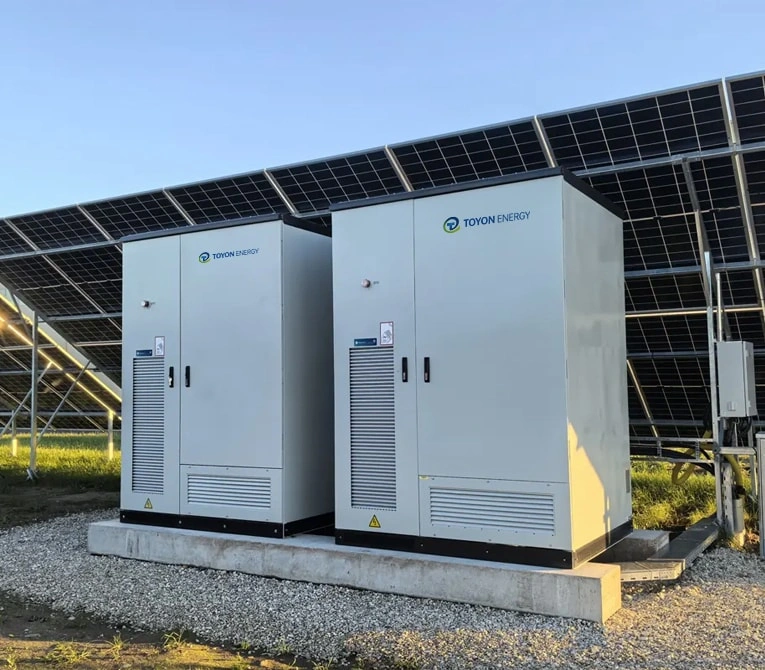
Not every factory needs storage immediately. Some businesses can begin with solar PV while planning the electrical infrastructure and system configuration to support future BESS integration.
5. Compare System Performance and Total Project Costs
When evaluating proposals from a factory solar system supplier, look beyond the initial equipment price. A comprehensive assessment should consider expected annual energy generation, solar self-consumption, grid electricity savings, inverter efficiency, equipment warranties and ongoing maintenance.
Businesses should also clarify whether quotations include system design, mounting structures, electrical installation, commissioning, monitoring and after-sales support.
For projects considering battery storage, compare the battery’s power rating in kW, energy capacity in kWh, usable capacity, expected operating cycles and energy management capabilities. These factors help determine whether the proposed system matches the factory’s requirements.
A lower upfront price may not translate into better long-term value if the system is poorly sized or lacks appropriate technical support.
6. Plan for Future Energy Requirements
Factory operations can change as production lines expand, new machinery is installed or working hours increase. EV charging and additional buildings may also introduce new electricity demand.
Considering these possibilities during the initial design can make future upgrades easier. Businesses can evaluate inverter compatibility, available installation space, electrical infrastructure and potential battery integration before committing to a system configuration.
A flexible design allows the factory to address current energy needs while preparing for possible changes in the years ahead.
Conclusion
Choosing the right C&I solar system for a factory starts with understanding how the facility consumes electricity. Roof conditions, PV capacity, grid limitations, excess generation, battery storage and future expansion should all be evaluated together.
By comparing system configurations against actual operating data and total project costs, factory owners can make more informed investment decisions. Working with an experienced supplier can also help simplify technical planning, equipment selection and project implementation, resulting in a solar solution that aligns with the factory’s operational and long-term energy goals.
FAQs
1. How do I determine the right C&I solar system size for a factory?
The right system size depends on the factory’s electricity consumption, daytime load, operating hours, available roof space, local solar conditions and grid requirements. Reviewing actual load data is important before determining PV capacity.
2. Should a factory size its solar system based on roof area or electricity consumption?
Both factors matter, but electricity consumption should be a major consideration. A large roof does not necessarily mean the factory needs a large PV system. The system should be sized according to actual energy demand and the amount of solar generation the facility can effectively use.
3. How much roof space does a factory need for a commercial solar system?
The required area depends on the selected panel power, module efficiency, system capacity and installation layout. The usable roof area should also account for maintenance paths, shading, existing equipment and structural limitations.
4. Can a factory use solar power directly during production hours?
Yes. When solar generation coincides with factory electricity demand, PV power can generally be used directly by onsite loads, reducing the amount of electricity required from the grid.
5. When should a factory consider adding BESS to its solar system?
BESS may be worth considering when the factory needs to shift solar energy to later hours, manage peak demand, improve energy utilization or provide backup power for selected loads.
6. Can BESS be added to an existing factory PV system later?
In many cases, yes. However, compatibility between the existing inverter, electrical infrastructure, energy management system and battery system should be evaluated before planning a later upgrade.
7. What should factories consider when choosing between rooftop PV and PV + BESS?
The decision should consider the factory’s load profile, operating schedule, peak demand, electricity tariffs, grid conditions, backup requirements and future energy plans. Solar PV may be sufficient for facilities with high daytime consumption, while PV + BESS can provide additional flexibility.