


Location |
Nice, France |
Project Ready Date |
2026-06-16 |
Module Type |
TOPCon 710W Solar Panel |
Module power |
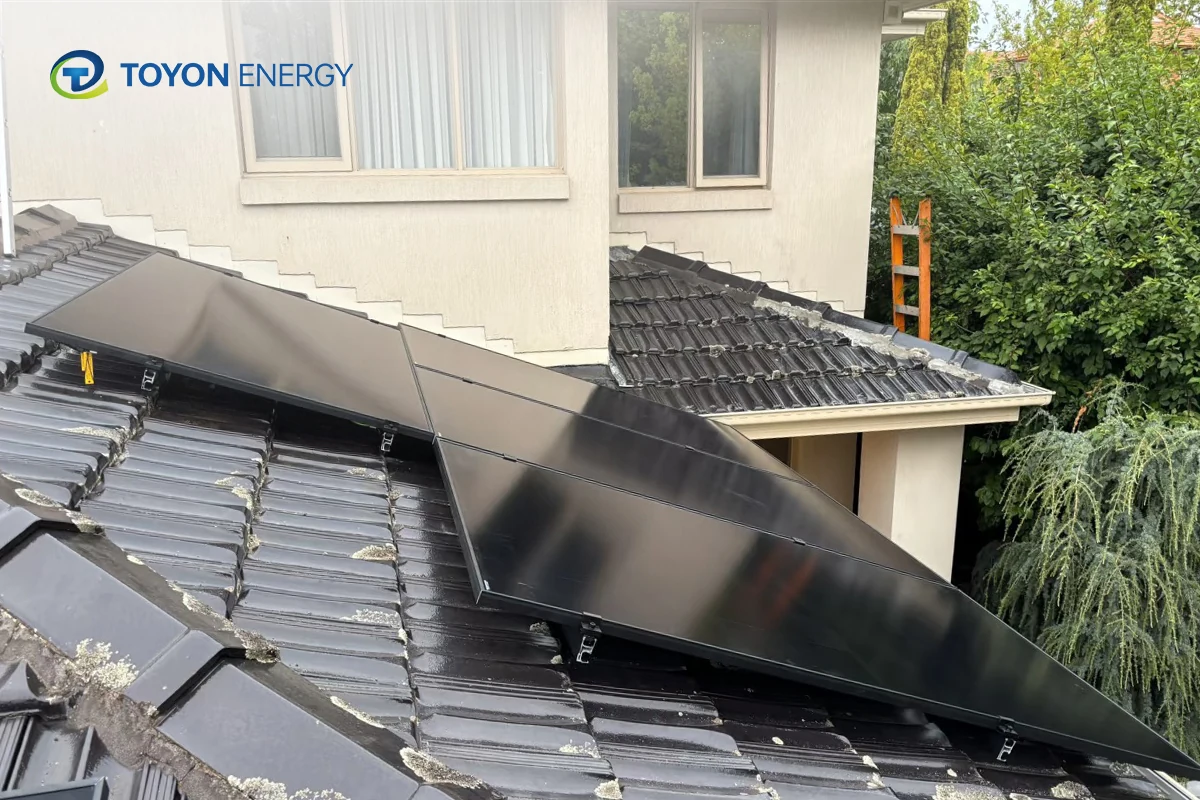
20kW (PV) + 50kWh (ESS) |
Project Overview
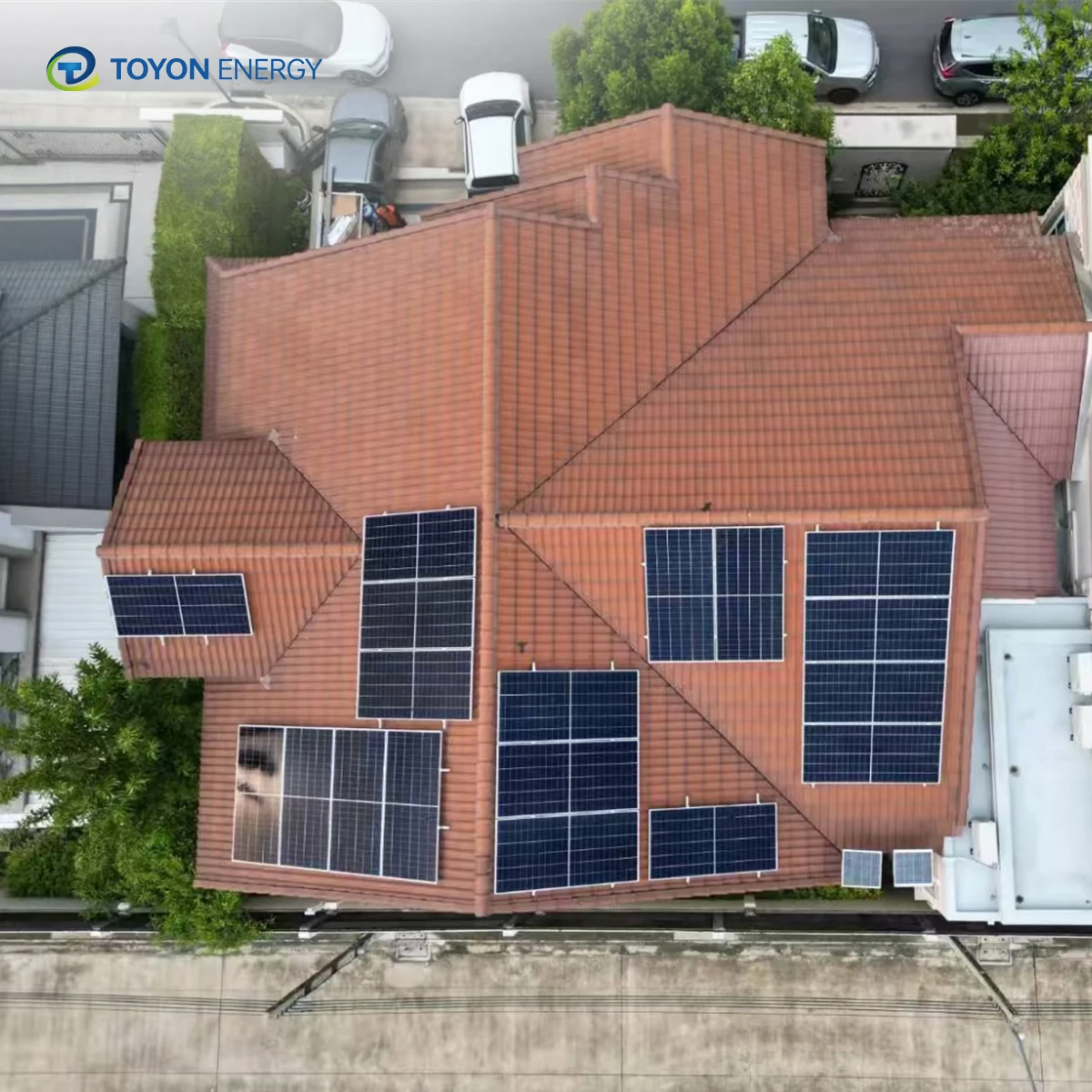
To achieve greater energy independence and ensure uninterrupted power supply, a luxury villa in Nice, France, adopted a 20kW hybrid solar and battery storage system. Designed to provide clean energy around the clock, the solution combines high-efficiency photovoltaic modules with advanced lithium battery storage, enabling the homeowner to maximize solar self-consumption while enhancing long-term energy resilience.
Overcoming Rising Energy Costs and Power Reliability Concerns
Like many homeowners across Europe, the customer was experiencing increasing electricity prices and sought a more sustainable way to manage household energy consumption. In addition, maintaining continuous power during grid outages and reducing dependence on utility companies were key priorities.
The homeowner also required a solution that would complement the villa's modern architecture while delivering reliable long-term performance.
Customized Solution Highlights
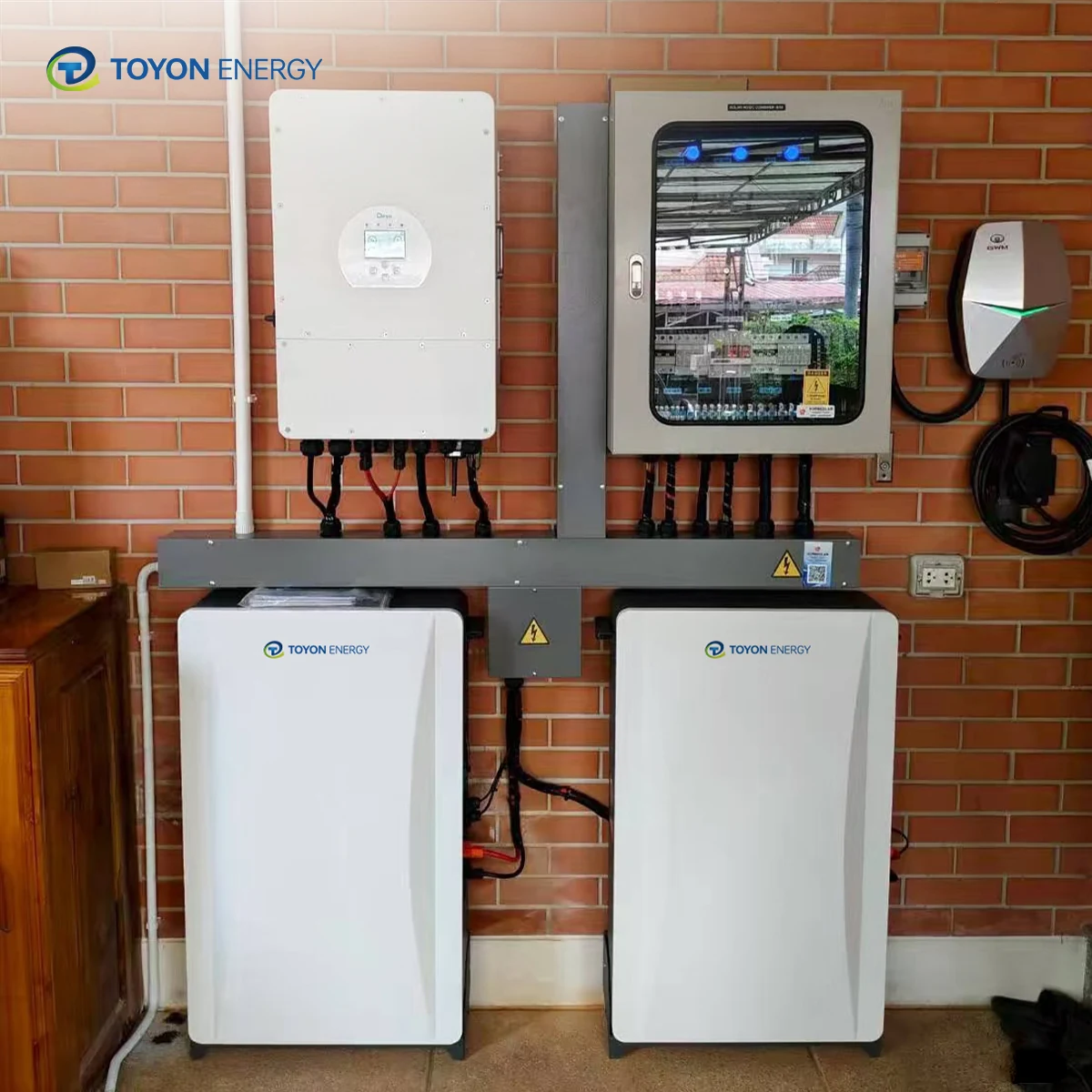
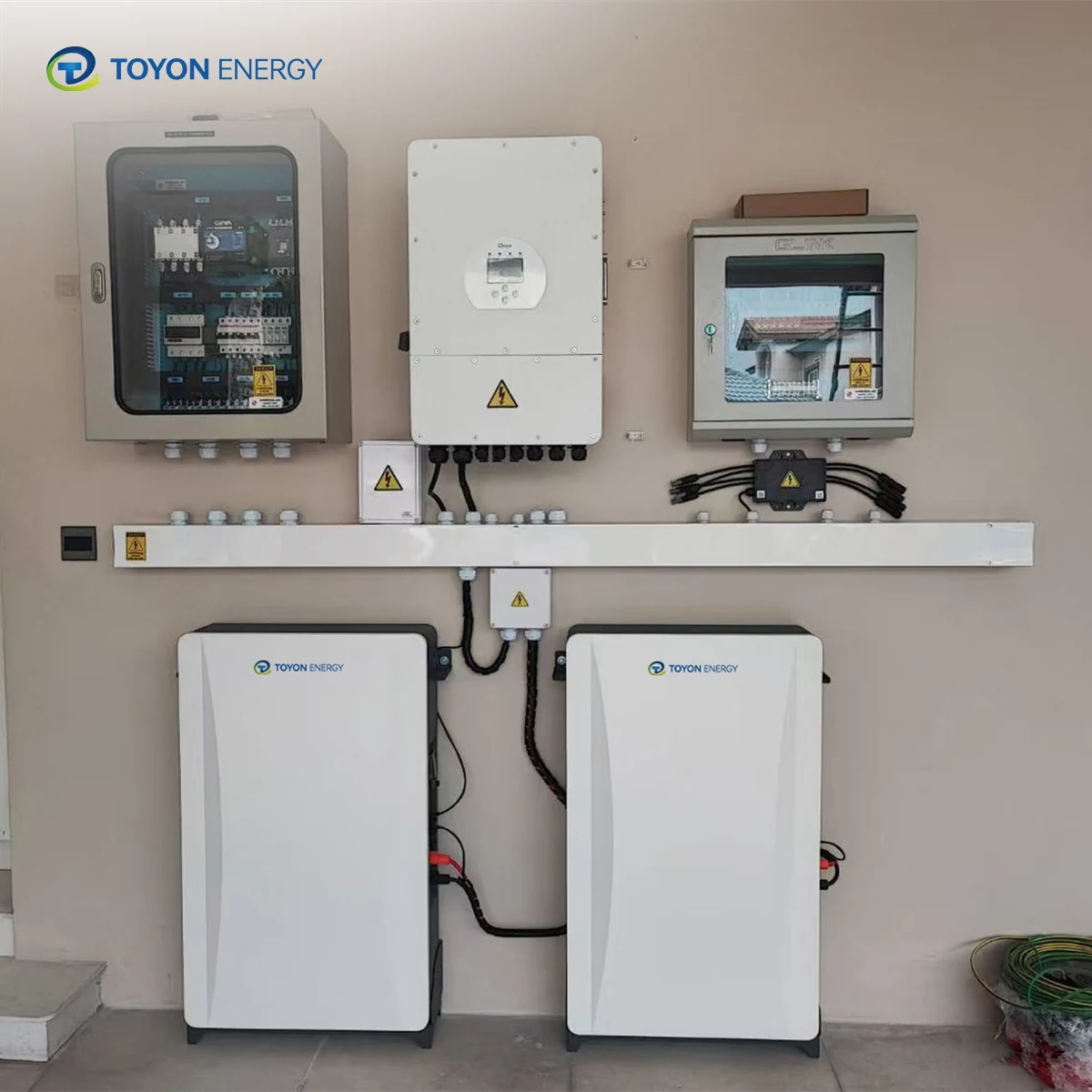
To meet the customer's needs, we delivered a complete solar-plus-storage solution featuring:
- 20kW rooftop photovoltaic system
- 50kWh LiFePO4 battery energy storage system
- 710W high-efficiency TOPCon solar modules
- Intelligent energy management system
- Seamless backup power functionality
- Modular design for future expansion
- Remote monitoring and technical support
The integrated system allows excess solar energy generated during the day to be stored and used at night, improving overall energy efficiency and reducing reliance on the grid.
Key Benefits Achieved
✅ Increased energy independence
✅ Reliable backup power during outages
✅ Lower household electricity costs
✅ Greater utilization of renewable energy
✅ Reduced carbon emissions
✅ Enhanced property value
✅ Elegant and space-saving system design
Supporting a Sustainable Lifestyle
This project demonstrates how hybrid solar and battery storage systems are becoming an essential part of modern luxury homes. By combining advanced photovoltaic technology with intelligent battery storage, homeowners can enjoy reliable clean energy while reducing operating costs and contributing to a more sustainable future.
Choosing a Solar and Storage Package for High-Demand Homes
For a TOPCon solar panel supplier, a villa project requires careful coordination between module dimensions, available roof area and the customer's consumption profile. This Nice installation uses a 20kW PV system and 50kWh of storage. The selected 710W modules belong to the original project specification; another roof may require a different module layout.
Use a solar panel supplier qualification checklist alongside the inverter and battery schedule. Review our solar module range and home solar and storage solutions, then supply roof plans and the expected loads. The project proposal should distinguish daytime generation, self-consumption and the loads configured for backup operation.
Planning a similar installation? Share your site details and equipment requirements with Toyon Energy to discuss a project-specific supply proposal.
FAQs
1. Is a 20kW solar system enough for a luxury villa?
Suitability depends on the villa's consumption profile, available roof area, appliance loads and the intended operating mode. A 20kW PV nameplate rating alone does not establish whether all household loads can be supplied or backed up.
2. How much electricity can a 20kW solar system generate per day?
Daily generation varies with season, weather, shading, orientation and system losses. Use a site-specific yield assessment for the Nice installation; the 20kW nameplate rating is not a guaranteed daily energy output.
3. Can a hybrid solar system provide power during a blackout?
A hybrid solar system can support selected loads during a blackout when its inverter, transfer or isolation equipment and controls are designed for backup operation. Verify the supported circuits, power limits and available battery energy for the specific installation.
4. Are hybrid solar systems better than grid-tied systems?
The suitable choice depends on the customer's goals. Hybrid systems add storage and may provide configured backup, while a grid-tied PV system may suit projects focused on daytime self-consumption. Compare the required functions, equipment scope and operating costs.